





When it comes to electrical wiring, keeping things organised isn’t just about neatness. It’s about safety. That’s where phase marking cable ties and phase marking tapes come in. These simple, colour-coded tools make it easy to spot the difference between wires, prioritise safety and keep you compliant on any project.
Read on as we break down what these tools are, where they’re used and how to get the best results.
What are phase marking ties and tapes?
Phase marking cable ties are like regular cable ties – strong, self-locking and made to bundle wires neatly.
They are colour-coded for labelling different electrical phases. Each colour represents a different phase of the 3-phase electrical system. For example
- Brown for L (live/line)1
- Black for L2
- Grey or silver for L3
- Blue for neutral
If you want an option that can cover both indoor and outdoor jobs, check out our Phase Marking Cable Ties (200mm x 4.8mm). They come in multiple colours and are made from durable nylon that can cope with temperatures from -40°C to +85°C.
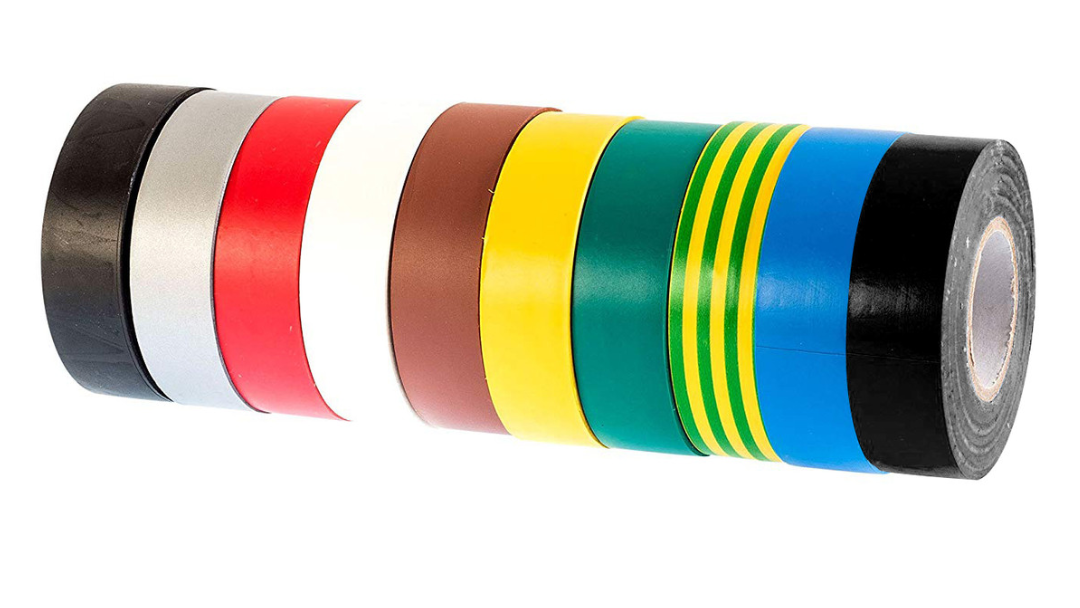
Phase marking tape is PVC electrical insulation tape that’s also colour-coded for each phase. You can wrap it around wires, cables or computer terminals to clearly label them. A good example is the Phase Pack of PVC Electrical Insulation Tape (19mm x 33m, pack of 10), which gives you all the colours in one convenient bundle.
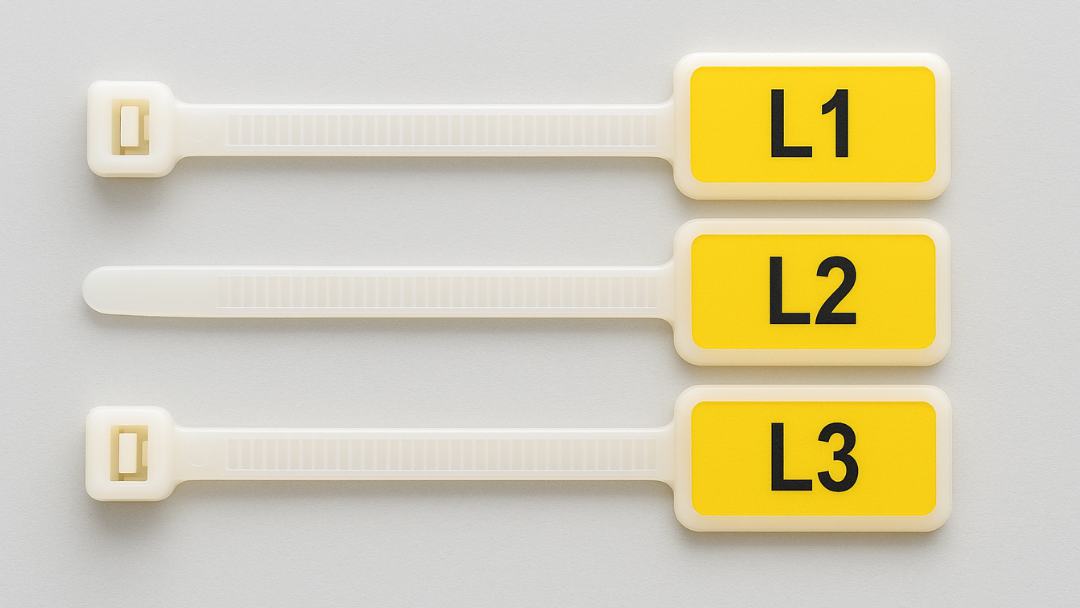
For those who prefer labels that include text as well as colour, Printed Cable Ties are a good option. They let you label cables with words or numbers for even clearer identification.
Where are they used?
Phase marking ties and tape are used in most industries that deal with electrical systems. Here are some common examples:
- Electricians and installers use cables and tape when wiring buildings, panels and control boxes.
- Power and utility companies rely on tape and cables for their equipment to avoid mix-ups.
- Factories and industrial sites use cable ties to keep their multi-phase motors and machines easy to maintain.
- Transport and logistics sectors also frequently use cable ties. Tunnels, rail systems and airports all have miles of cabling that need organisation and safety.
- Renewable energy installations, like solar farms or wind turbines, also depend on cable ties and tape for safe maintenance.
Why use phase marking ties and tape?
Cable ties and tape can be an essential resource in many situations. Anywhere there’s complex wiring, phase marking cable ties and tapes help keep everything under control. That could be anything from a small workshop to a massive power station.
They also:
Keep you safe
Mixing up phases can be dangerous. Colour-coded ties and tape make it easy to see which phase you’re working with at a glance. This helps to prevent electrical faults and shocks.
Keep things organised
Have you ever opened a panel and found a messy tangle of wires? With proper phase marking, you won’t have to guess which wire does what. It’s faster to install, easier to maintain and looks much more professional.
Help you stay compliant
Wiring standards and safety codes often require that wires are marked by phase. Using Phase Marking Cable Ties or Phase Pack PVC Tape makes it easy to stay compliant, so inspections go smoothly.
Are long-lasting
High-quality nylon ties and PVC tapes are built to handle heat, cold and exposure to UV rays. So, whether you’re wiring inside or outside, you can trust that your markings will stay where you put them.
Buying tips: What to look for
When you’re choosing phase marking ties and tapes, it helps to keep these simple tips in mind:
-
Make sure you pick the right size and strength – For general use, 200mm x 4.8mm cable ties work well. They fit most bundles without being too bulky.
-
Check the materials – Look for cable ties made from tough nylon (UL-approved if possible) and tapes with good adhesive strength.
-
Stick to consistent colour codes – Always use the same colours for each phase. For example, brown (L1), black (L2), grey (L3) and blue (N). A phase pack of PVC tape makes it easy to keep them all ready to use.
-
Try printed options – If you’re dealing with complex systems, Printed Cable Ties, let you add labels like ‘L1,’ ‘Neutral,’ or circuit numbers directly onto the tie.
-
Buy extras – Always keep a few spare cable ties or rolls of tape. They’re small, won’t break the bank and they’ll come in handy later when you need to make quick changes.
How to get the best results
To make sure your markings last, start by marking your wires before bundling them together. It’s much easier to identify which one’s which when they’re still separate, instead of struggling to find one later.
When you’re applying cable ties or tape, place them close to where the wire terminates. This makes it easier to see exactly where each connection goes and saves time when they need adjustments or fixed in the future.
Be careful not to overtighten your ties. Pulling them too tight can damage the insulation or cause the markings to move out of place. If you’re using tape or sticky labels, make sure that you clean the surface first to remove any dust, grease or moisture.
Finally, be consistent in the way you label and how you position your markings. Using the same colours across your projects keeps everything organised, clear and easy to work with.
Safer and compliant wiring
Ready to make your wiring safer, clearer, and easier to manage?
GTSE’s cable ties and tape are designed to keep every electrical project organised as well as compliant. They are colour-coded to help you save time, increase safety and simplify from day one.
Keep your wiring neat and your work up to standard — shop the full GTSE range today.