




Written By: Mikey Callaghan | Published: 19th September 2025
Office blocks might typically view appropriate “Wayfinding” signs as something that can help increase productivity and enhance professionalism. However, having a clear wayfinding around offices is integral in supporting emergency procedures.
Suitable signage is at the backbone of ensuring that all staff members and/or visitors can make quick and correct decisions regarding finding emergency exits or assembly points. Not only reducing risks of on-site emergency hazards but also ensuring that individuals know that their livelihoods are not at risk.
In this article we going to expand on Wayfinding Signs (Regulation 8), offering advice and solutions to make your office fully compliant and equipped.
History of Building Regulations Order & What is the Wayfinding Sign Regulation 8?
2005: The Regulatory Reform Fire Order (2005) has reconstructed the law relating to fire safety in non-domestic premises – the core change in altering rules and regulations in a wide range of worksites and institutions.
2010: As years have gone forward this order has broken down into different regulations resulting in the Fire Safety Building Regulations (2010). This regulation introduced the idea of having clear and unobstructed emergency escape routes.
Another significant element of this regulation was that they started to differentiate building uses, so rules and regulations were not universal. This was a big change in legislations as it introduced acknowledgement for individual vulnerability.
2017: In 2017, the Grenfell Tower fire incident occurred in a high-rise building where 72 people died - since World War 2 this was the deadliest residential fire to have occurred in the UK.
In later years, Inquiries opened introducing recommendations to high-rise buildings pointing out that firefighters couldn’t identify floor numbers or numbers of occupants per floor. Creating a direct knock onto a change in regulations of the Fire Safety Building Regulations (2010).
2020: Wayfinding Signage - Regulation 8 (2020) Offices that are part of multi-complex buildings which are over 11 metres (reduced from 30 metres), must ensure they have appropriate signs to improve wayfinding around their Building.
This was the first introduction where installing Wayfinding signs were specifically mentioned (within Fire Safety Building Regulations), and how they can directly benefit both building occupants and the emergency services who go to support them. Proving safety signs help reduce disorientation and improve safety.
GTSE’s Top Tips to Ensure Compliance:
GTSE have recognised these updates in the legislations and want to help you be prepared in case of the event of a fire emergency. Here are four tips to meet the demands of compliance with this regulation:
- Location: Where escape routes aren’t visible, place directional signs here particularly important in long corridors and hallway intersections – positioned around 1.7 meters off the ground.
- Firefighter Identification (Floor level ID): Signs must identify what floor level it has been placed on, also identifying how many offices are located – they must easy to locate for building users and the firefighters who may need to enter.
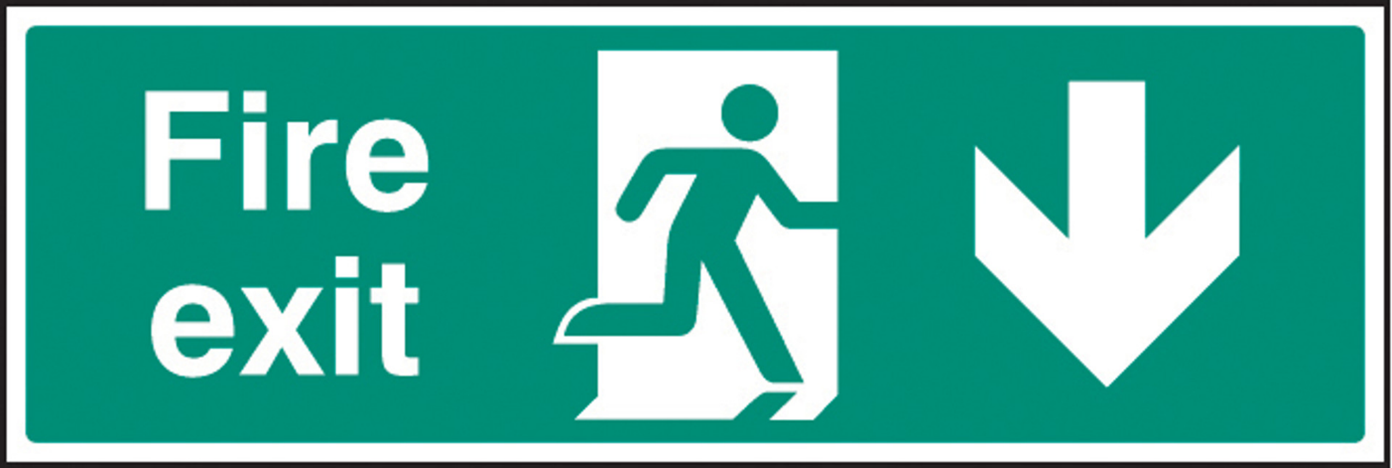
- Design: Signs must be made from fire-resistant, durable materials – typically green and white with texts and/or pictograms providing instructions. Consider using photoluminescent signs, such as those in GTSE’s range.
Refer to our Safety & Regulatory Sign range to shop make your office building compliant now.
How ensure visibility and correctly place your signs:
Building on location, it is important that you correctly place your signs - not only for them to be visible, but to create a smooth and efficient workplace within your office. Here are a few scenarios, with tips on correctly place these signs:
Emergency exits: You must place exit signs above doors and along escape routes (at regular intervals) – ensuring that they aren’t obstructed or well lit (photoluminescent in case of a loss of electricity). Signs must be visible from any point in the corridor to reduce confusion in case of an emergency.
Decision points: Place wayfinding signs at certain junctions such as stairs or corridor intersections. Helping staff and visitors make confident and fast decisions about where to go.
Areas of risk: Place warning signs at eye level as close to the risk as possible, these are discovered through risk assessments taken place around the office. This makes sure people can spot risks and help reduce accidents.
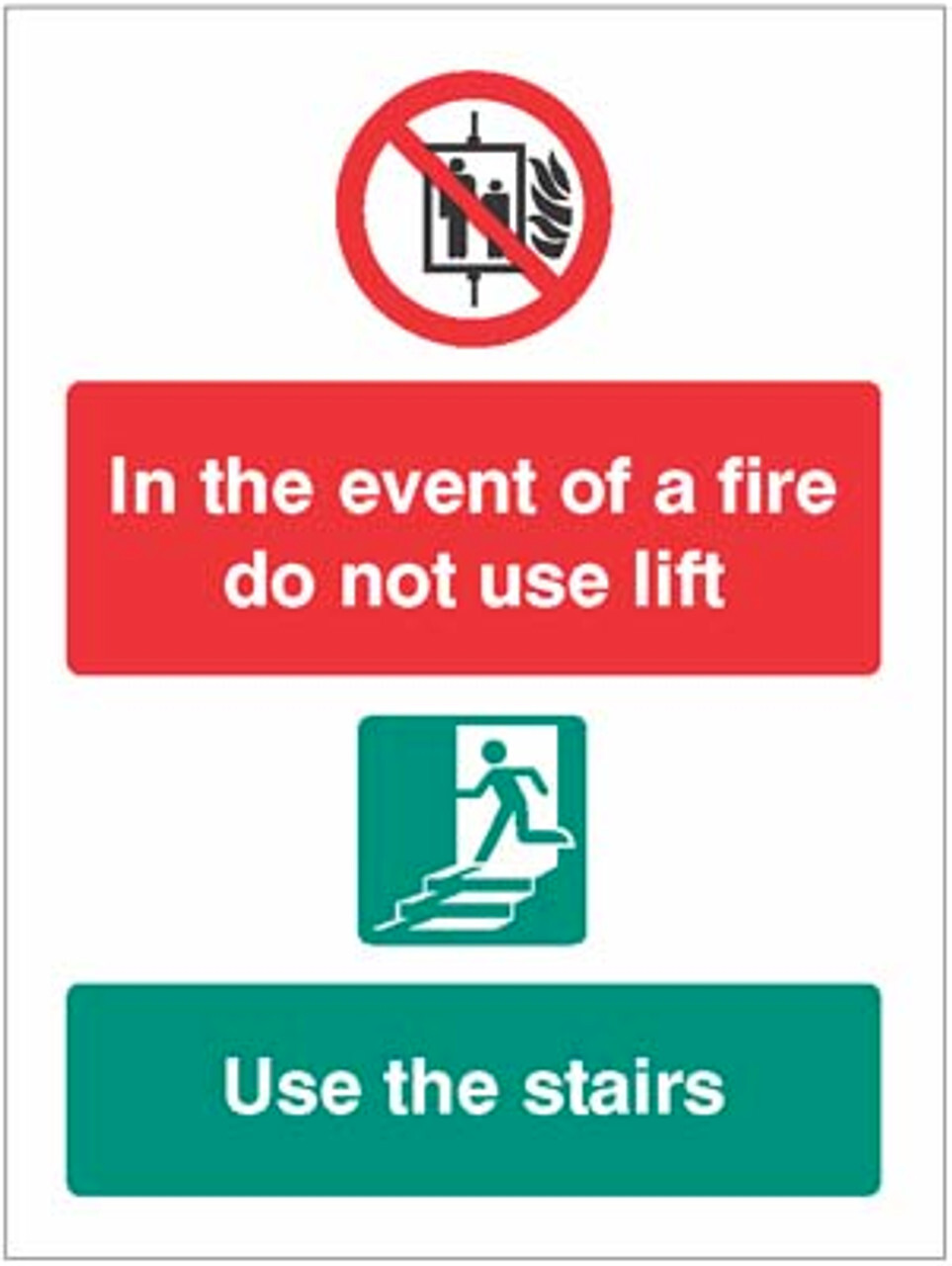
Make sure you maintain your signs regularly:
To guarantee that your office remains complicit with all legal regulations and legislations, you must make sure that your signs are regularly maintained and kept on top of.
You should complete regular audits on all your signage around your office. Over time signs can fade, slip out of place, or even become damaged. So, it becomes your responsibility to replace or re-fix any signs that fall into any of these conditions.
Another, slightly less recognised scenario, you will have to keep on top of sign regulation is when your office goes under renovations. Whilst office renovations or reorganisations, signs can be taken down, so they don’t interfere. However, it is extremely important they don’t go forgotten and are replaced quickly in their correct places for compliance and safety reasons.
Final Thoughts to Address:
Wayfinding signage is more than just a regulatory requirement, but also a proven life saver in emergencies. Make sure your signs are visible, durable additionally well-maintained – helping businesses protect visitors, staff and firefighter’s carryout effective rescues.
We want you to stay compliant with Regulation 8 – Wayfinding Signs. Carry out a risk assessment and ensure you don’t have any outdated or missing signs.
Explore GTSE’s sign range now to make sure your complaint, and your workplace meets the highest standard of safety.