





Written By: Cristopher Varghese | Published: 30th September 2025
Parking and loading problems are some of the biggest causes of frustration for both businesses and the public. Delivery drivers frequently find bays blocked, customers aren’t sure where they can park and parking tickets are on the rise.
But there is good news. Most of these issues can be avoided with clear signage and proper road markings. When signs are visible and easy to understand, confusion drops, efficiency improves and complaints are reduced.
Let’s have a more in-depth look at parking and loading and how signs and road markings can make the difference.
Parking signs & meanings
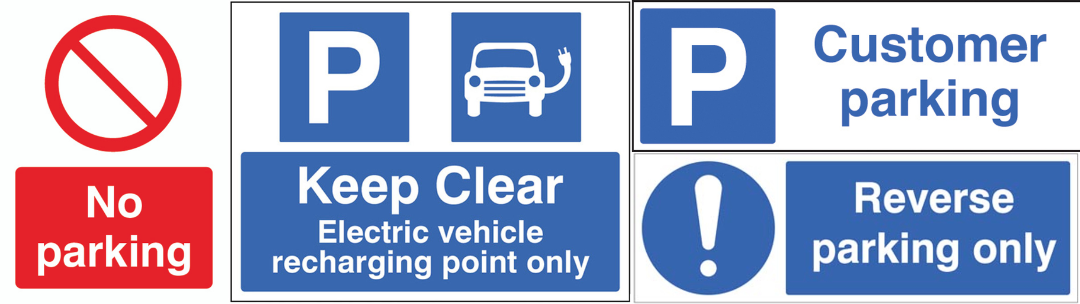
Parking signs aren’t just for telling people where they can or can’t park. They’re also the key to keeping spaces organised and the traffic flowing. If you have well-managed parking, disputes are easily prevented.
Below are the different types of parking signs and what they mean.
Standard restrictions
Common parking signs include “No Parking” or “Restricted Parking”. These signs are essential to stop people using unauthorised spaces.
For example, a delivery bay at a busy shop can easily become blocked if there’s no clear signage. A simple “Loading Only” sign helps prevent confusion, avoids delivery delays and keeps things moving smoothly.
Private/business premises
On private or business sites, parking signs are extremely useful in separating spaces for staff, visitors and customers.
For example, a warehouse with both office staff and visiting lorry drivers need clear “Staff Parking” and “Visitor Parking” signs to avoid arguments over spaces. In customer environments, such as a gym or supermarket, marking customer-only bays offers convenient access and a better experience for visitors.
Visibility matters
A sign only works if people can see and understand it straight away. That’s why your signs need to be clearly seen, in the right place and in good condition.
The best place for positioning is at eye level or in highly visible spots. Make sure you use symbols that everyone recognises. This is important in areas such as disabled bays. If the signage is confusing or markings are faded, it could leave customers frustrated. Not to mention leaving your business open to complaints or penalties for non-compliance.
Loading bays & controlled zones
Loading bays and controlled zones are often the most confusing areas for visitors and staff. A loading bay is a specific space set aside for deliveries, usually with time limits or vehicle restrictions to make sure traffic keeps moving.
A controlled zone covers a larger area where parking rules are managed with signs or permits. They help prevent congestion and make it easier for businesses and councils to enforce the rules.
Loading bays
Loading bays are designed for deliveries and often have strict time restrictions. Signs should clearly show who can use them and when, so delivery drivers aren’t left waiting or fined unfairly.
Controlled parking zones (CPZs)
Controlled parking zones cover larger areas. A single sign at the entrance should clearly highlight the rules. For example, permit holders for electric car charging points.
These controlled parking zones help businesses and councils keep parking organised and are much easier to enforce.
The problem with unclear signage
When signs are missing, worn out or hard to see, visitors don’t know the rules. This can obviously result in confusion, which leads to frustration and complaints. It can even end up with negative reviews.
Having clear signs and road markings is the simplest way to keep everything working smoothly and help avoid unnecessary problems.
Legal requirements – The Traffic Signs Regulations and General Directions (TSRGD) 2016
Parking signs and clear road markings aren’t just good practice – they’re a legal requirement.
The Traffic Signs Regulations and General Directions (TSRGD) 2016 sets out the national legislation on how the signs and markings should look and be used.
It’s the job of individual councils to enforce these rules on public roads and parking, loading and controlled zones.
Responsibilities as a business owner
If you own or run a site that has parking, loading or controlled zones, it’s your responsibility to display the correct signs and have effective road markings. Your parking bays must be obvious, with visible signs and restricted areas need to be clearly marked.
Without these rules in place, misunderstandings can occur that could lead to complaints, disputes and even liability issues.
By following the law and staying compliant, you will not only avoid penalties but also show professionalism and care for your customers and staff.
Reducing complaints through clarity
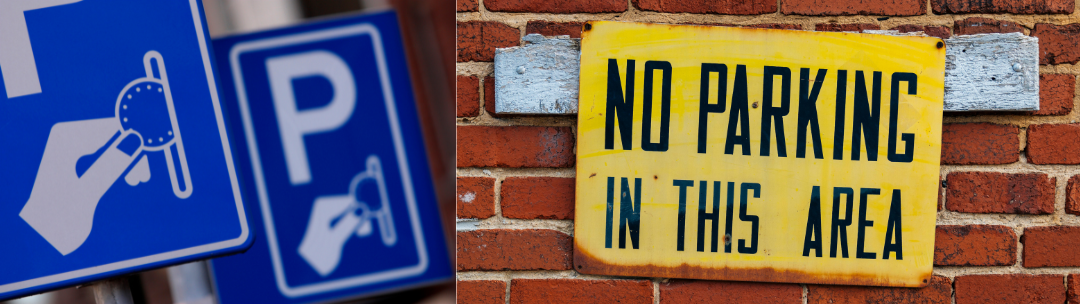
Customer and visitor complaints often boil down to one thing – signs that are either confusing or invisible.
To reduce complaints, make sure you:
Upgrade your signage
It can be frustrating to drivers when they are unsure where to park. If you have faded paint on your signs or poorly lighted areas, signs can be hard to see. Consider using reflective or photoluminescent materials, so that your signs are visible 24/7.
Train your staff
Having clear and effective signage will only work if your staff are confident in their understanding. They will then be able to communicate easily with customers and visitors, explaining and enforcing the rules.
Imagine a retail park with poorly marked bays. You are likely to face complaints on a daily basis as customers struggle to park correctly. By simply upgrading signs and refreshing the bay markings, parking is clear and straightforward. This will result in confident staff and happy customers.
Listen to feedback
People are usually open to and often enjoy giving feedback. If you take advantage of this, you may find that staff and customers will highlight problem areas that you need to focus on.
Ask for feedback on a regular basis to keep updated and to make sure you’re meeting the needs of your business. By doing this, you’ll find a quick way to cut complaints and build trust with the people who use your business.
At the end of the day, clear parking signs aren’t just about rules – they’re about showing that your business is accessible and considerate of both staff and visitors.
Stress-free parking with GTSE
Parking and loading disputes don’t need to be a daily headache. By investing in clear, compliant signage and markings, you can cut confusion and reduce complaints.
Make parking and loading stress-free. Explore GTSE’s full range of parking and loading signs to keep your spaces clear and your customers happy.