




Written By: Cristopher Varghese | Published: 30th September 2025
Road signs aren’t just random symbols on the road – they’re vital for safety and to keep your business running smoothly. Whether your vehicles are out on public roads or moving around a worksite, knowing about signs and following them helps prevent accidents. It also keeps you compliant with UK laws and protects your business from costly risks.
Let’s have a more in-depth look at road signs and why they matter.
Colours and meanings of road signs
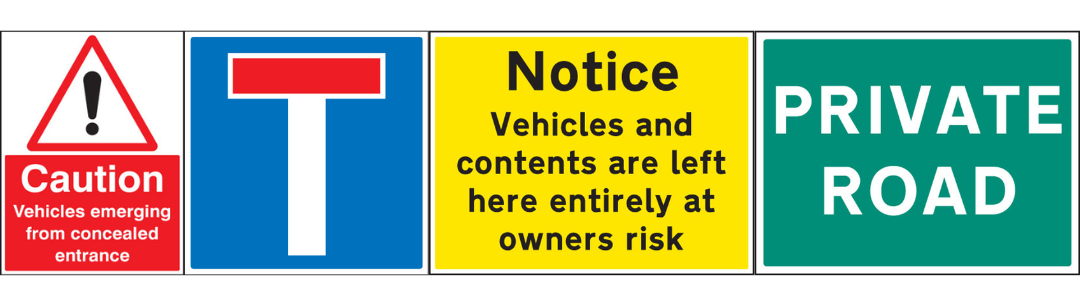
For your business, it’s not enough to make staff aware of signs. They need training to understand them and respond correctly. Here’s what each main colour represents:
Red
Red is a powerful colour. It instantly grabs your attention and signals an urgency that other colours don’t have. Strongly linked with danger and the command to stop, it’s the perfect colour for signs that warn or prohibit.
Blue
Blue is a calm, clear colour that stands out without causing alarm. This makes it perfect for highlighting instructions or useful information. It has strong visibility in different weather conditions which helps make sure the message is easy to understand quickly.
Yellow
Yellow is bright and highly visible, even in low light or poor weather, which makes it perfect for grabbing attention. Signalling caution, people naturally slow down or take extra care when they see it. Yellow signs make sure important warnings are noticed before it’s too late.
Green
Green is linked with guidance and reassurance, making it a natural choice for directions or safe routes. Its calming tone helps reduce stress in high-pressure situations, giving people confidence that they’re on the right road.
Types of road signs
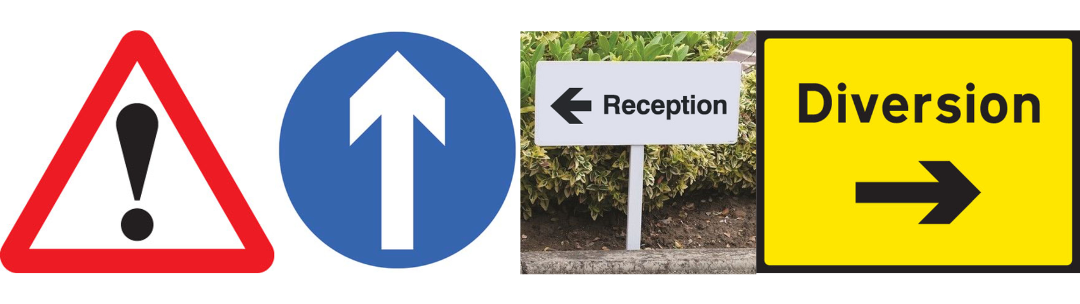
Road signs come in different forms and each has a specific purpose. Knowing the different types is key to keeping people and traffic safe.
Warning signs (Triangular)
In the UK, red is used for the most important instructions – like ”Stop”, ”No entry” and highlighting speed limits. It’s also used on triangular warning signs for sharp bends, pedestrian crossings or other hazards. By using red, drivers are prompted to react quickly, helping prevent accidents and keeping roads safer.
Regulatory / mandatory signs (Circular)
Regulatory or mandatory signs are instructions that must be followed. They’re designed to keep traffic moving safely and smoothly, whether that means sticking to a speed limit, following a one-way system or keeping left to avoid congestion. Circular in shape, they’re clear and direct, so everyone knows exactly what to do.
Informational signs (Rectangular)
Rectangular signs are used to share helpful guidance and directions. They make travel easier by giving people clear information and keeping traffic organised. Not to mention reducing confusion. By making this clear, your business’s staff, drivers and visitors can navigate safely and efficiently.
Temporary signs
Temporary signs are used when short-term guidance is needed. For example, on diversion routes, construction sites or temporary road surfaces, they grab attention and clearly communicate what people need to do. By highlighting temporary changes, they help prevent accidents and keep traffic and pedestrians moving safely.
The importance of compliance
Every business using vehicles, on public roads or private sites, has to follow road sign rules. Complying with road rules also means staff are trained, risks are reduced and your business is protected from both accidents and legal issues.
Let’s have a look at some of the different business types that need to follow road rules.
Vehicle management & logistics
If your business involves running delivery vans or lorries, your drivers must always follow road signs. If they don’t, it could lead to accidents, delays or even fines.
For example, courier company drivers could be rushing to meet deadlines and ignore a low bridge warning sign. This could result in damaging the vehicle, as well as any goods inside. It’s important for businesses to make sure that drivers comply with all road signs to avoid this type of incident and to protect their reputation as well.
On-site safety
Workplaces like warehouses, building sites and private car parks need clear signs to control traffic and keep people safe. Without them, vehicles and pedestrians can clash in dangerous ways. For example, a supermarket where HGVs and staff on foot share the same yard. If you implement one-way systems and pedestrian crossings with clear signs, you can avoid accidents and prioritise safety.
Employer responsibility
As employers are legally responsible for making sure staff understand road signs, training is a priority. All employees should know how to react correctly in emergencies and everyday tasks.
For example, if someone ignores a “No Entry – Vehicles Only” sign, they could accidentally enter a restricted area. This is likely to put them (and others) at risk.
Proper training ensures signs aren’t just seen – but understood and followed.
Liability & risk reduction
When businesses ignore or fail to maintain their road signs, the risks go beyond safety. They could lead to both legal and financial problems.
Imagine a retail park car park where a faded stop sign causes confusion, leading to a collision between two cars. The business could be held liable for not maintaining the sign – resulting in fines, compensation claims or even insurance refusals. Remembering to keep signs clear, visible and up to date reduces liability and protects both people and businesses.
Legal requirements
Anyone who is responsible for a vehicle must follow and comply with The Highway Code and UK traffic sign regulations. Under Health & Safety legislation, The Traffic Signs Regulations and General Directions 2016, your business has a duty of care to staff, visitors and customers. Using the correct road signs is not optional – it’s a legal responsibility.
Workplace safety signs must also meet ISO 7010 standards, which set international guidelines for hazard, mandatory and warning signs.
Best practices for businesses
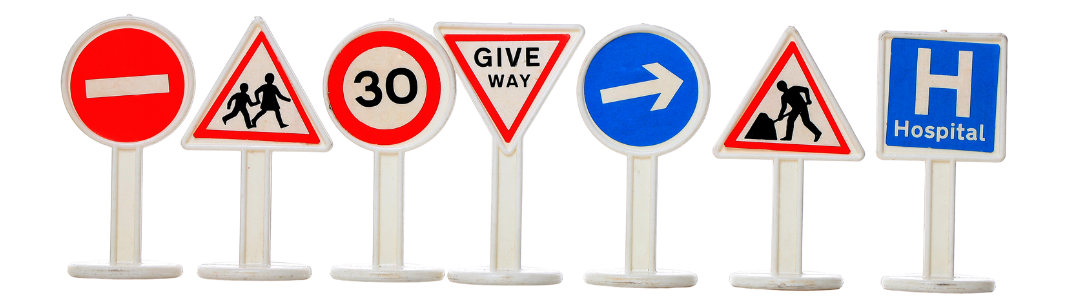
Clear, visible road signs are essential for keeping workplaces safe and running smoothly. If you want to get the most from your signage:
- Make sure all signs are easy to see and in good condition.
- Train staff regularly to understand and follow the signs.
- Check signs often to make sure they are still relevant.
- Combine public traffic rules along with your site signs to make sure you cover everything.
If you follow these steps, you can prevent accidents, stay compliant and keep your business running smoothly.
Stay compliant with GTSE
Keep your workplace safe, compliant and easy to navigate with clear road safety signs. Explore GTSE’s full range of road signs today and find the right solution for your business.