





-
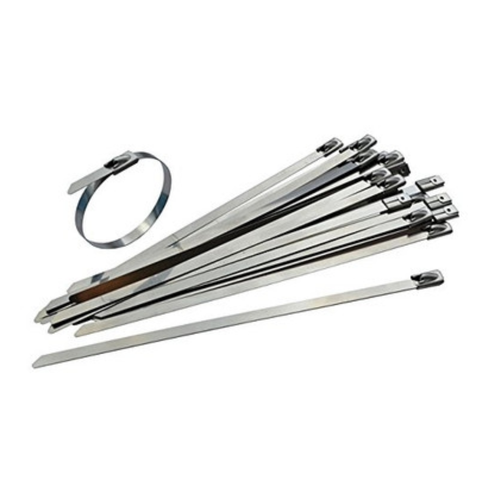
Stainless Steel Cable Ties - 316 Marine Grade (Pack of 100)
Incl. VAT £11.00 - £64.20Excl. VAT £9.17 - £53.50 -

Metal Detectable Cable Ties (Pack of 100)
Incl. VAT £3.12 - £36.48Excl. VAT £2.60 - £30.40 -

Black Polyester Coated Stainless Steel Cable Ties (Pack of 100)
Incl. VAT £14.80 - £98.40Excl. VAT £12.33 - £82.00 -

Black Epoxy Coated Stainless Steel Cable Ties (Pack of 100)
Incl. VAT £14.80 - £98.40Excl. VAT £12.33 - £82.00 -

Stainless Steel Cable Tie Base Mounts (Pack of 50)
Incl. VAT £10.07Excl. VAT £8.39 -

Cable Tie Installation Tool for Stainless Steel Ties - Up to 7.9mm width
Incl. VAT £83.99Excl. VAT £69.99 -

Stainless Steel Cable Ties - 316 Marine Grade - Box Deal
Incl. VAT £288.00 - £547.80Excl. VAT £240.00 - £456.50 -
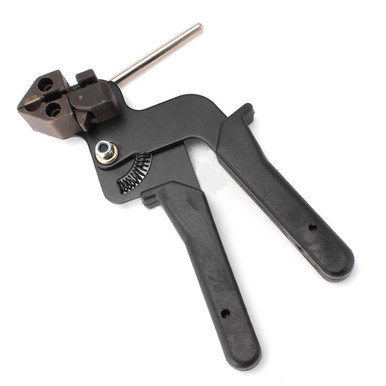
Cutter and Tensioning Tool for Stainless Steel Cable Ties - Up to 12mm width
Incl. VAT £83.99Excl. VAT £69.99 -
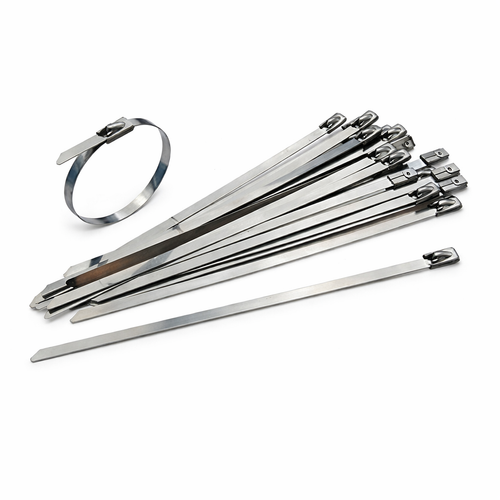
Stainless Steel Cable Ties - Grade 304 (Pack of 100)
Incl. VAT £9.89 - £16.58Excl. VAT £8.24 - £13.82 -
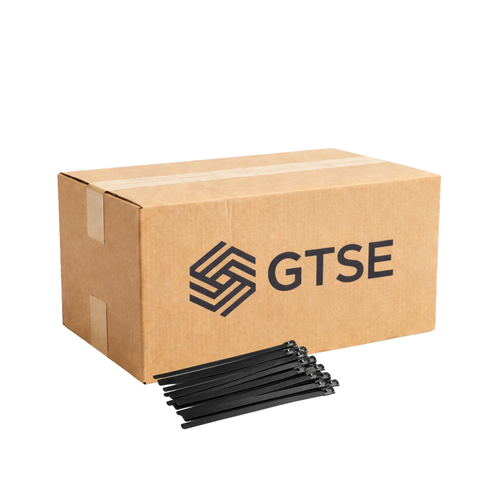
5,000 Black Epoxy Coated Stainless Steel Cable Ties - Box Deal
Incl. VAT £513.60 - £735.60Excl. VAT £428.00 - £613.00 -

Black Polyester Coated Stainless Steel Cable Ties - Box Deal
Incl. VAT £409.20 - £881.40Excl. VAT £341.00 - £734.50
At GTSE we offer a huge range of metal cable ties which come in a wide variety of sizes. The range includes stainless steel cable ties and bases as well as coated stainless steel cable ties. All of the pricing for these cable ties is in a tiered model so when you buy larger volumes a discount will be applied to the pricing. GTSE offers a comprehensive range of cable ties from high quality, durable nylon, heavy duty, releasable and stainless steel cable ties to many other specialist cable ties and tools, see the full cable tie range here.
FAQ | Metal Cable Ties
How many types of stainless steel cable ties are there?
There are three types of stainless steel cable ties: uncoated (bare metal), PVC coated, and epoxy coated. Each type is available in different grades depending on your application requirements.
What are stainless steel cable ties made from?
GTSE stocks stainless steel cable ties in both 304 and 316 grades. 316 grade contains molybdenum for superior resistance to corrosion, chemicals, and marine environments. 304 grade offers excellent general-purpose corrosion resistance at a lower cost, ideal for indoor and non-chloride applications.
What's the difference between 304 and 316 stainless steel?
316 grade contains 2% molybdenum, giving it superior resistance to salt, chlorides, and aggressive chemicals — essential for marine, coastal, and chemical processing environments. 304 grade is suitable for general industrial use where chloride exposure isn't a concern.
How do you use stainless steel cable ties?
These ties have a self-locking mechanism with an internal locking ball that rolls as the cable tie is tightened, providing additional strength against wear and tear. Insert the tail into the locking mechanism and tighten by hand or with a specialist tensioning tool for a secure hold.