




Written By: Mikey Callaghan | Published: 19th September 2025
What is the importance of clear office signage?
Correct signage around your office is hugely important for a wide variety of reasons – safety, legal compliance, and ensuring everyone on site is aware of important safety information.
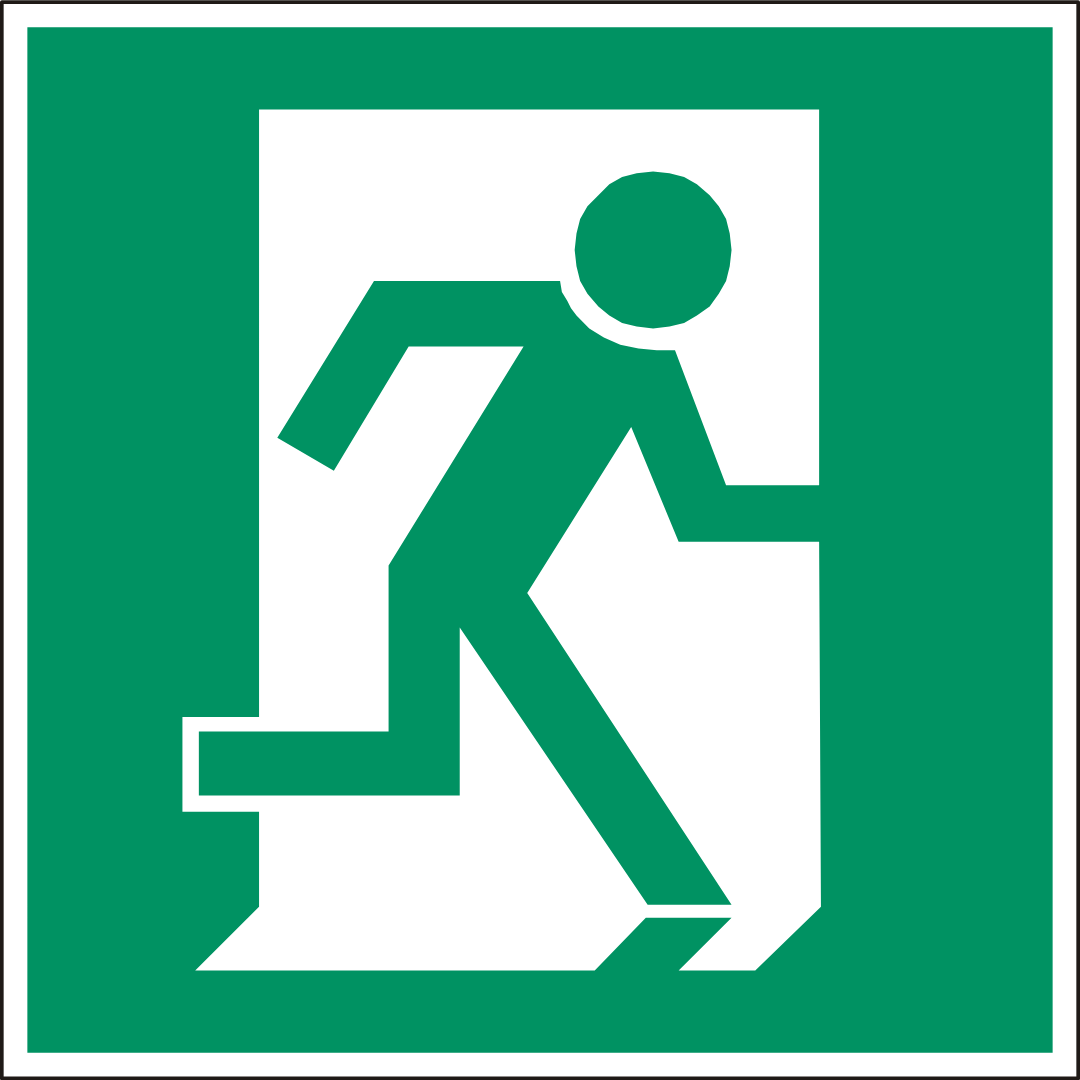
In the event of an emergency, fire safety signs, exit signs, and hazard warnings provide critical direction that can save lives. Employers have a legal obligation to display safety signage under the Fire Safety Order 2005 and the Health and Safety Regulations 1996 (Safety Signs and Signals), helping businesses stay compliant and protect staff, contractors, and visitors.
In larger or multi-floor offices, correct signage is important to reduce confusion around the office space and ensure that everywhere is accessible. This has been enforced through the Equality Act in 2010 and Wayfinding (Regulation 8), making sure that privately owned spaces are inclusive to those who are at a disadvantage due to disabilities, and easy to navigate in case of emergencies.
GTSE can help contribute into making your workplace professional, efficient, compliant and accessible – check out our signage range now!
Different types of office signs:
Understanding the different types of office signs is important, so you can ensure you get your office kitted out with the correct signage. This is to ensure you meet legal requirements and prevent onsite incidents from occurring.
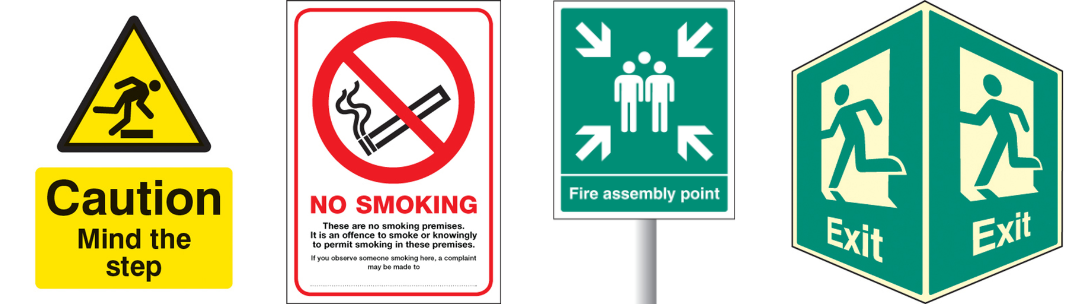
Safety & Regulatory Signs: Safety and Regulatory signs are compulsory and encourage a reduction in onsite incidents such as fire safety, PPE, hazard symbols, and first aid stations.
Wayfinding Signs: Wayfinding signs are vital in ensuring smooth transportation and coordination of employees through clear direction to certain areas of the office, or emergency exits.
A new legislation has been introduced, Wayfinding Signage (Regulation 8), after the Grenfell Tower Inquiry insisting that stairwells and floors need to become identified easily for fire-fighters and fire safety protection.
To learn more about this regulation, please refer to our article where we answer how to ensure compliance for Wayfinding Signs Regulation 8.
Informational Signs: Informational signage helps visitors understand certain areas of your office, avoiding confusion in a professional manner. This can be highlighted through restricted area signs, disabled access and staff only parking.
Understanding the different sign materials:
At GTSE we offer signs in a variety of materials to suit different budgets and office environments.
Self-Adhesive Vinyl: These signs are high gloss and flexible and with self-adhesive backing to be stuck to surfaces. These are suitable for applying to most smooth, dry and clean surfaces. They are budget friendly and suited for indoor signs.
Rigid Plastic: Rigid plastic signs are lightweight and flossy, with high impact strength. An affordable, durable sign that is easily drilled for wall fixings - suitable for both internal and external signs.
Aluminium: Our signs are typically made from 0.9mm aluminium, are a more expensive material. However, they have excellent weathering and UV resistance, making them a life-long investment.
Photoluminescent: Our photoluminescent signs have afterglow properties that exceed PSPA Class C grade, as measured to DIN 67510. Glow in the dark pigmentation that provides razor sharp definition even in blackout conditions. They are a low maintenance investment as they require no electricity and are simpler to keep working.
Safety compliance:
As mentioned earlier, there are certain legal requirements that offices, and office blocks need to meet to create a hazard free work environment. The 1996 Health and Safety Regulations (Safety Signs and Signals) ensures that signage is implemented where risks cannot be avoided by other means.
This regulation goes hand in hand with the later 2005 Fire Order Legislation. Office managers must introduce fire precautions, ensure fire safety arrangements are in place and ensure that emergency exits are kept clear and easy to understand. Managers need to take both legislations on themselves and make sure that staff understand these signs, and training is provided regularly.
If your office doesn’t comply with the Safety Signs and Signals Regulations (1996) or the Fire Safety Order (2005), you could face fines, legal enforcement action, and an increased risk to staff and visitors in the event of an accident, emergency or fire.
Importance of Accessibility:
The Equality Act (2010) was an important legislation introduced that senior office members need to consider. The aim of this was to prevent any form of discrimination in relation to disabilities. Office block owners and managers must make reasonable adjustments to remove or reduce any disadvantages people who have disabilities may face.
GTSE have introduced a range of signs which can help you improve accessibility around your office – check out our braille and tactile sign range here. These signs have specifically been designed for visually impaired users, where the braille lettering is raised so it is clear for people to understand the message of the sign, without causing any unnecessary confusion.
There are other factors which you need to consider ensuring signage is inclusive to all staff members and visitors. The signage must provide clear typography and have consistent, universal symbols so that everyone can understand the message put across. Additionally, all signs must remain at eye level.
Not only do our signs help you meet the requirement of the 2010 Equality Act, but it also boosts inclusivity and creates a welcoming environment for external visitors – leaving people with a positive impression of your space.
Final considerations:
It is important to understand that layouts in offices aren’t universal, but their requirements in signage are – not only to be compliant, but also to be clear and accessible for every individual need. Regulations are put in place to remind you to make your offices clear, safe, and easy to navigate.
Good signage helps reduce exclusivity and creates a welcoming environment – allowing everyone can move efficiently and confidently around your workplace. Make your office accessible and easy to navigate.
Make your office compliant and inclusive – shop GTSE!