





UV Resistant Masking Tape: What It Is & Uses
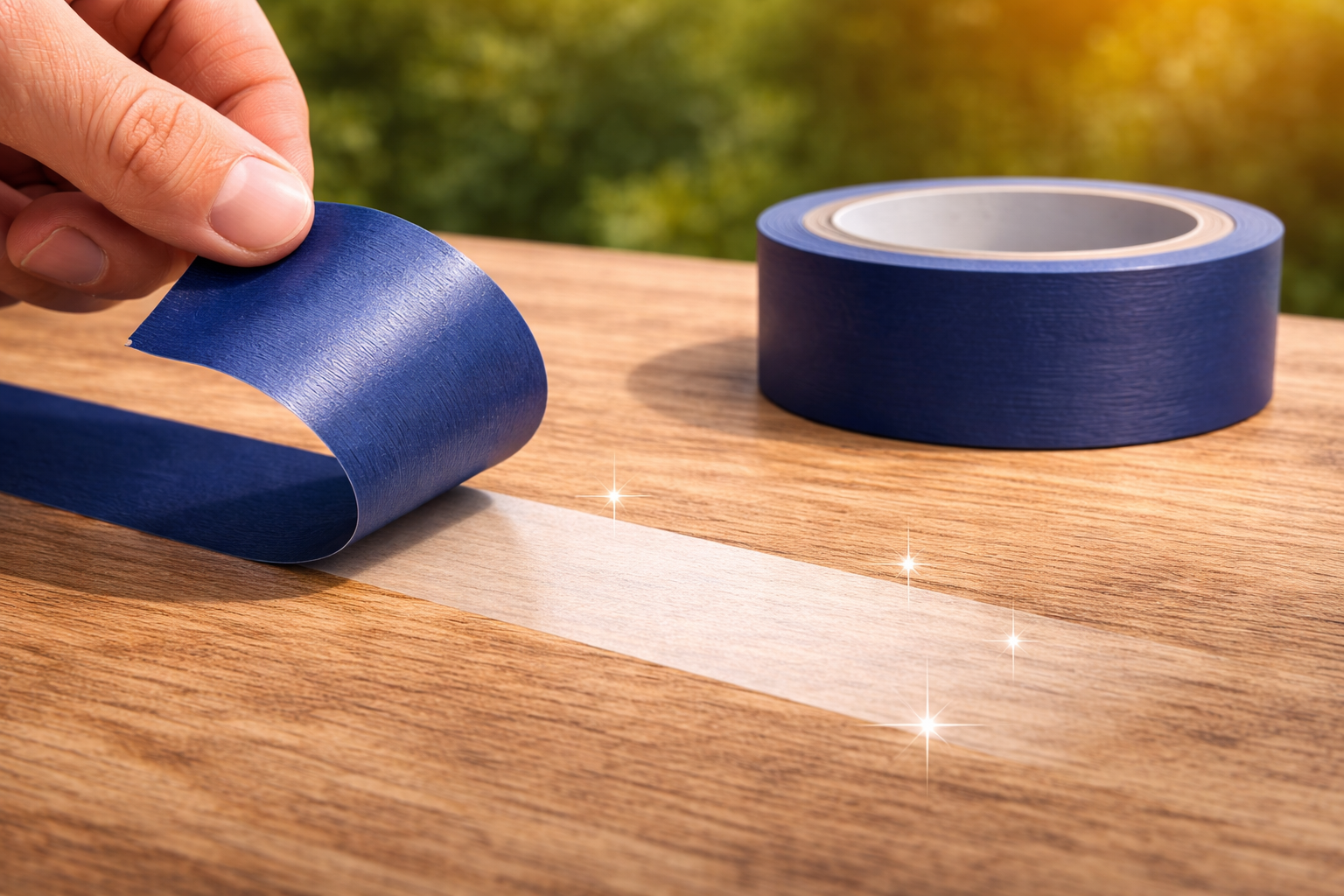
UV resistant masking tape is specifically engineered for outdoor applications where standard masking tape would fail. When tape is exposed to ultraviolet radiation from sunlight, ordinary tape backing and adhesive breaks down, becomes brittle, and leaves stubborn residue that's difficult to remove. UV resistant varieties use specialized materials and additives to maintain their integrity and clean removal properties even after extended sun exposure.
What Makes Masking Tape UV Resistant?
UV resistance in masking tape comes from three key engineering factors:
1. UV-Stabilized Backing Materials
The tape backing (usually crepe paper or film) contains UV stabilizer additives that absorb or reflect harmful ultraviolet radiation. These chemical compounds prevent the molecular breakdown that causes standard tape to become yellow, brittle, and tear easily.
2. UV-Resistant Adhesive Formulation
The adhesive system uses rubber or acrylic-based formulations with UV inhibitors. This prevents the adhesive from hardening, oozing, or leaving permanent residue when exposed to sunlight and heat.
3. Enhanced Temperature Stability
UV exposure often means high temperatures. UV resistant tapes are formulated to maintain their adhesive properties and removability across wider temperature ranges, typically from -10°C to +80°C.
Key Point: Regular masking tape can fail in as little as 2-4 hours of direct sunlight, while UV resistant tape maintains performance for 30-60 days or more, depending on the grade.
UV Resistant Masking Tape Specifications
Key Applications & Uses
Exterior Painting & Decorating
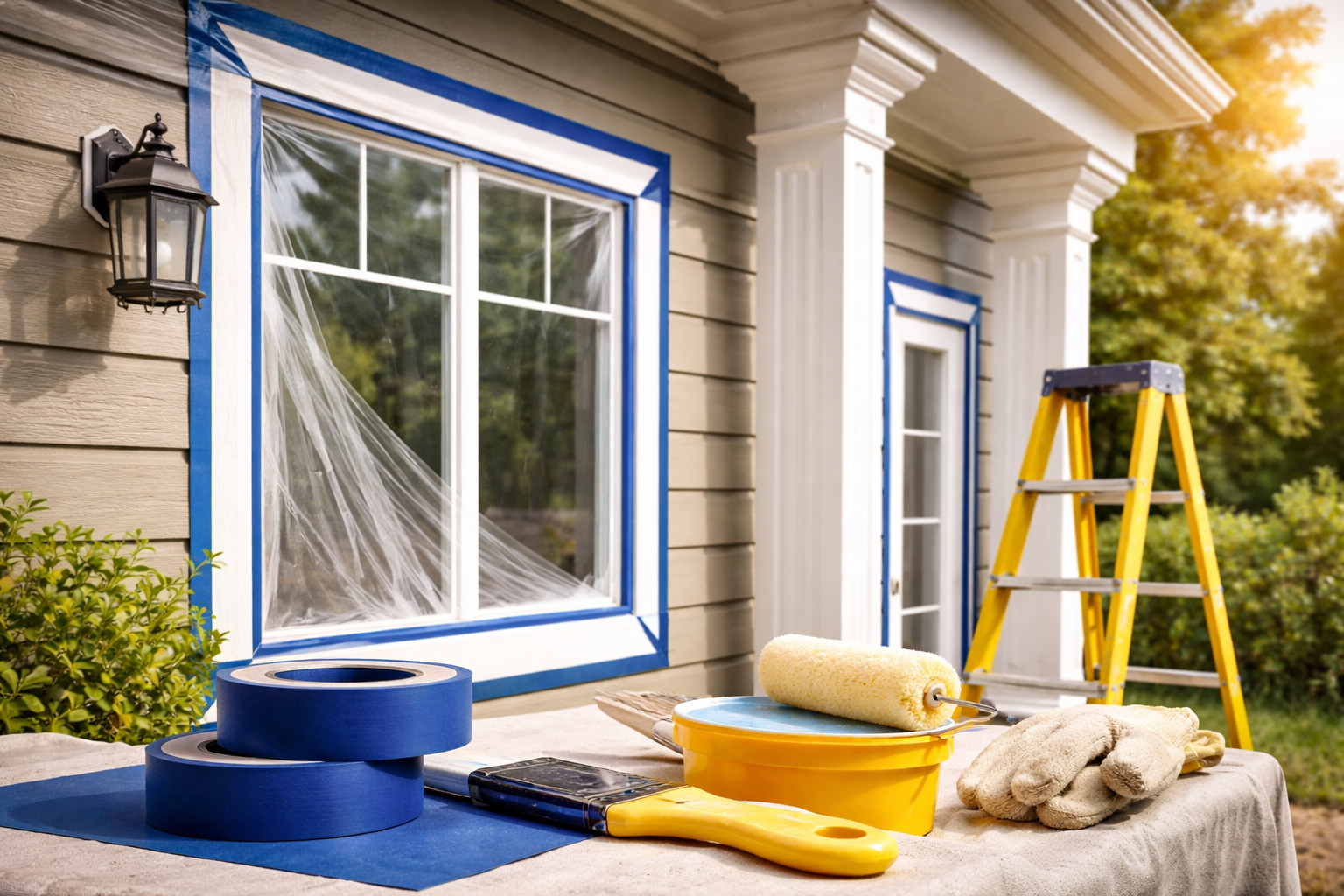
- Building exteriors: Masking windows, trim, and architectural details during exterior painting projects
- Automotive painting: Bodywork masking for spray painting and touch-up work
- Marine applications: Boat painting and maintenance in harsh UV environments
- Industrial coatings: Masking during powder coating and industrial finishing processes
Construction & Building
- Window installation: Protecting glass and frames during construction
- Rendering and stucco: Creating clean lines and protecting surfaces
- Roofing work: Temporary masking during roof repairs and treatments
- Concrete work: Masking expansion joints and architectural features
Signage & Graphics
- Vinyl application: Masking during outdoor sign installation
- Sandblasting: Creating precise patterns and protecting surfaces
- Etching work: Glass and metal etching applications
Comparison: UV Resistant vs. Standard Masking Tape
| Feature | Standard Masking Tape | UV Resistant Masking Tape |
|---|---|---|
| UV Exposure Time | 2-4 hours maximum | 30-180+ days |
| Temperature Resistance | Limited (room temperature) | -10°C to +80°C |
| Clean Removal | Degrades rapidly outdoors | Clean removal even after UV exposure |
| Cost | Lower initial cost | Higher cost, better value for outdoor use |
| Adhesive System | Basic rubber/resin | UV-stabilized acrylic/rubber |
| Backing Material | Standard crepe paper | UV-stabilized crepe or film |
How to Select the Right UV Resistant Masking Tape
1. Determine UV Exposure Duration
Short-term (1-7 days): Standard UV resistant tape suitable for most painting projects
Medium-term (1-8 weeks): Premium UV resistant tape with enhanced stabilizers
Long-term (2-6 months): Maximum UV resistant tape or specialty exterior grade
2. Consider Surface Compatibility
Delicate surfaces: Low-tack UV resistant tape for painted surfaces, wallpaper, or vinyl
Standard surfaces: Medium-tack for wood, metal, and glass
Rough surfaces: High-tack UV resistant tape for concrete, brick, and textured surfaces
3. Temperature Considerations
UV exposure often means elevated temperatures. Ensure your chosen tape is rated for:
- Expected ambient temperature range
- Surface heating from direct sunlight
- Thermal cycling (day/night temperature variations)
4. Width Selection
GTSE offers UV resistant masking tape in two professional widths:
- 25mm x 25m (SKU: GTSE-MT2525BLU): Perfect for detailed work, trim masking, and precision applications
- 50mm x 50m (SKU: GTSE-MT5050BLU): Ideal for larger surfaces, broad masking, and extensive coverage
GTSE Blue Advantage: Our blue UV resistant tape stands out against white and light-colored paints, making it easy to see your masked areas and ensuring complete removal after the job.
Common Problems with Non-UV Resistant Tape Outdoors
Adhesive Failure
Standard tape adhesive breaks down under UV exposure, causing the tape to fall off mid-project, leading to paint bleeding and ruined finishes.
Backing Deterioration
The tape backing becomes brittle and tears during removal, leaving small pieces adhered to the surface that are difficult to clean off.
Residue Formation
Heat and UV exposure cause adhesive to cure and bond permanently to surfaces, requiring solvents or scraping to remove.
Color Change
UV exposure causes standard tape to yellow or brown, which can show through paint or stain the underlying surface.
"The most common mistake we see with outdoor masking jobs is when people use interior tape to save a bit of money. Within hours, that 'savings' becomes expensive when the tape fails and you have to redo the entire job. UV resistant tape isn't just about protection, its a professional investment that will last times more than your standard interior masking tape."
Best Practices for UV Resistant Masking Tape
Application Tips
- Surface preparation: Ensure surfaces are clean, dry, and dust-free before application
- Proper adhesion: Press edges firmly to prevent paint bleeding
- Avoid stretching: Apply tape without tension to prevent lifting
- Straight lines: Use a tape dispenser or straight edge for professional results
Removal Techniques
- Remove when possible: Remove tape as soon as practical after use for easiest removal
- 45-degree angle: Pull tape back on itself at a 45-degree angle
- Steady pressure: Remove in one smooth, steady motion rather than jerky pulls
- Heat assistance: In cold weather, gentle warming can aid removal
Professional Tip: For critical applications, consider using automotive-grade fine line tape instead of masking tape. It offers superior UV resistance and ultra-clean lines.
Storage and Handling
Proper storage ensures UV resistant tape maintains its properties:
- Cool, dry conditions: Store at 15-25°C with low humidity
- Away from UV: Keep in original packaging away from sunlight
- Flat storage: Store rolls flat to prevent edge curl
- First in, first out: Use older stock first to ensure optimal performance
GTSE UV Resistant Masking Tape Range
GTSE's blue UV resistant masking tape combines specialist adhesive technology with high-visibility blue backing for professional results. Our UV resistant range uses natural rubber adhesive that maintains clean removability even after extended sunlight exposure.
Available Sizes & Specifications
| Product | SKU | Dimensions | Key Features |
|---|---|---|---|
| Blue UV Resistant Masking Tape | GTSE-MT2525BLU | 25mm x 25m | Precision masking, detail work |
| Blue UV Resistant Masking Tape | GTSE-MT5050BLU | 50mm x 50m | Broad coverage, large areas |
Why Choose GTSE Blue UV Resistant Tape?
- Blue crepe paper backing - High visibility against light surfaces
- Natural rubber adhesive - Superior UV degradation resistance
- Low-tack formulation - Safe for delicate and painted surfaces
- Clean removal - No residue or surface damage
- Multi-pack savings - Volume discounts available
Professional Tip: For complete masking guidance across all applications, also see our comprehensive Masking Tape Buyer's Guide covering standard, specialty, and professional-grade options.
Ready to Choose the Right UV Resistant Masking Tape?
Browse our blue UV resistant masking tape range or speak to our technical team for application guidance.
Browse All Masking Tapes 25mm x 25m Tape 50mm x 50m TapeFrequently Asked Questions
How long can UV resistant masking tape be left outside?
This depends on the grade and environmental conditions. Standard UV resistant tape typically performs well for 30-60 days, while premium grades can last 3-6 months in direct sunlight. Always check manufacturer specifications for your specific application.
Is UV resistant masking tape more expensive?
UV resistant tape has a higher upfront cost than standard masking tape, but it prevents costly rework and surface damage that can occur when standard tape fails outdoors. For outdoor applications, it's typically more cost-effective overall.
Can I use UV resistant tape indoors?
Yes, UV resistant masking tape works excellently for indoor applications. However, it may be unnecessary for purely indoor use where standard tape would suffice and cost less.
What's the difference between UV resistant and weather resistant tape?
UV resistant tape specifically protects against ultraviolet radiation. Weather resistant tape provides broader protection against UV, moisture, temperature extremes, and environmental exposure. Weather resistant tape typically offers superior all-around outdoor performance.
Will UV resistant tape work on all surfaces?
GTSE's blue UV resistant masking tape is specifically designed for delicate surfaces including already-painted walls, wood, metal, glass, and plastic. The low-tack natural rubber adhesive ensures clean removal without damage. However, always test on an inconspicuous area first, especially on specialty coatings.
Where can I find more information about masking tape applications?
For comprehensive guidance on all masking tape types and applications, visit our complete Masking Tape Buyer's Guide which covers selection criteria, surface compatibility, and professional application techniques.