





Double-Sided Foam Tape: Strengths & How to Choose
Double-sided foam tape combines the bonding power of adhesive with the gap-filling, cushioning properties of foam backing. This unique construction makes it ideal for mounting applications where traditional tapes fail—bonding uneven surfaces, dampening vibration, and creating weatherproof seals. Understanding foam tape strengths and selection criteria ensures professional results in automotive, signage, and industrial mounting applications.
What Makes Double-Sided Foam Tape Special?
Unlike flat double-sided tapes, foam tape uses a polyethylene foam core that provides multiple performance advantages:
1. Surface Conformability
The foam backing compresses to fill gaps and conform to surface irregularities, creating contact across the entire bond area. This is crucial for bonding textured surfaces, painted materials, or slightly uneven substrates where rigid tapes would only contact high points.
2. Vibration Dampening
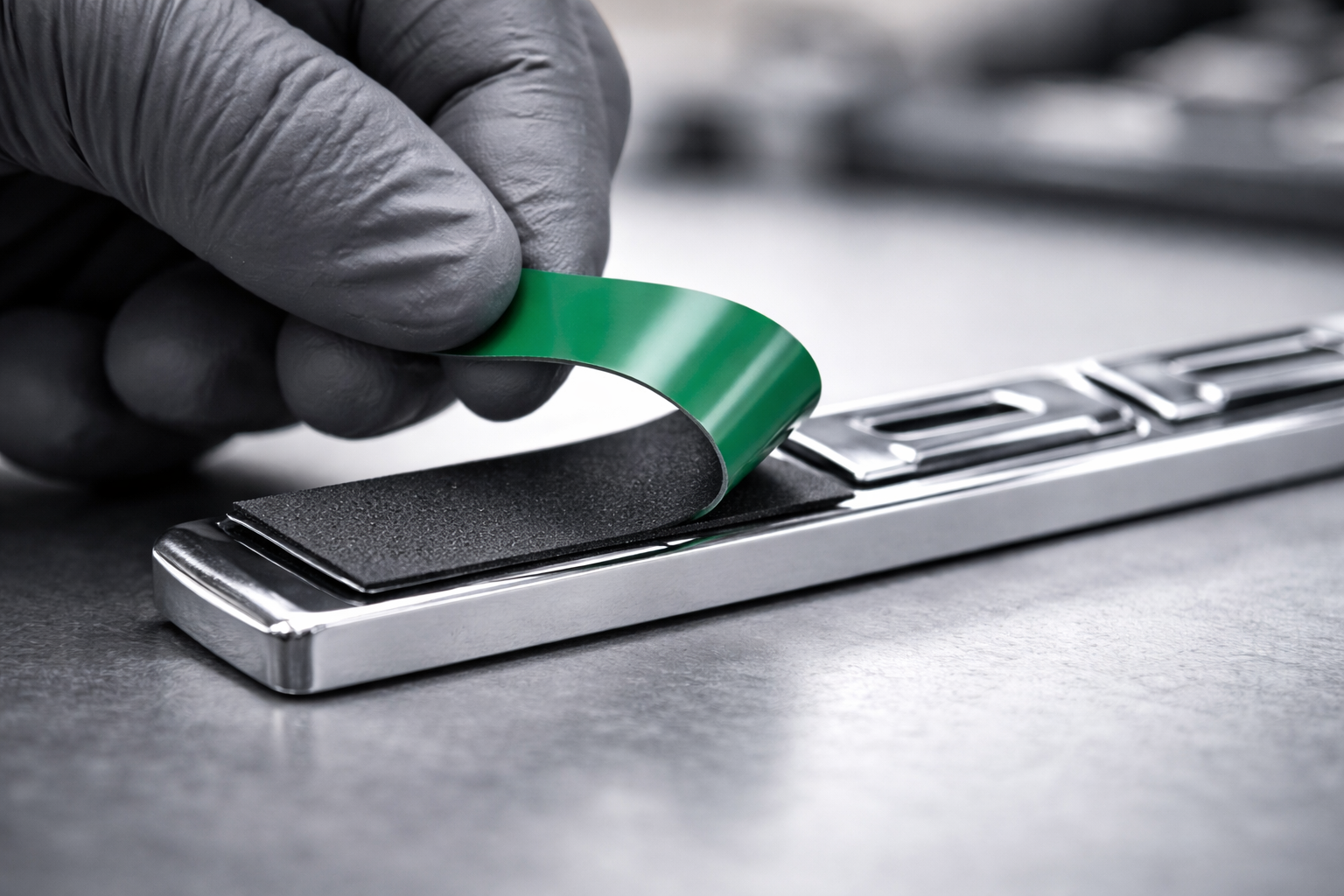
Foam naturally absorbs vibration and shock, making it ideal for automotive applications like number plate mounting, trim attachment, and badge installation where constant vibration would stress rigid bond lines.
3. Weatherproof Sealing
When compressed, foam tape creates an effective barrier against moisture, dust, and air infiltration. The closed-cell foam structure prevents water absorption while the adhesive system maintains bonding strength in outdoor conditions.
Key Strengths of Double-Sided Foam Tape
Superior Adhesion to Difficult Surfaces
Foam tape excels where conventional adhesives struggle:
- Textured surfaces: Brick, concrete, stucco, and rough plastics
- Painted substrates: Won't damage paint during application
- Dissimilar materials: Bonds metal to plastic, wood to glass, etc.
- Slightly dirty surfaces: Foam compresses around minor contamination
Gap-Filling Properties
Traditional tapes require perfectly flat, aligned surfaces. Foam tape accommodates:
- Surface height variations up to the foam thickness
- Thermal expansion gaps in building materials
- Manufacturing tolerances in automotive and industrial applications
- Mounting irregularities that would stress rigid bonds
Load Distribution
The foam backing spreads stress across the entire bond area rather than concentrating it at contact points. This prevents:
- Stress concentration failures
- Substrate damage from point loading
- Bond line fatigue in vibration environments
- Premature adhesive failure under dynamic loads
Key Advantage: Foam tape creates bonds that are often stronger than the materials being joined, with failure typically occurring in the substrate rather than the tape itself.
Primary Applications & Use Cases
Automotive Applications
- Number plate mounting: Vibration-resistant attachment that won't damage vehicle finish
- Trim and badge installation: Weather-resistant bonding without visible fasteners
- Interior mounting: Dashboard accessories, phone holders, GPS units
- Body panel attachment: Side moldings, protective strips, decorative elements
Signage & Display
- Point-of-sale displays: Indoor poster mounting to textured walls
- Safety signage: Mounting to rough industrial surfaces
- Exhibition displays: Temporary mounting that won't damage surfaces
- Window graphics: Bonding to glass without air bubbles
Industrial & Construction
- HVAC installation: Duct mounting and vibration isolation
- Equipment mounting: Control panels, junction boxes, electrical enclosures
- Architectural glazing: Weather sealing and panel attachment
- Marine applications: Saltwater-resistant mounting solutions
How to Choose the Right Double-Sided Foam Tape
1. Assess Surface Characteristics
Smooth surfaces (glass, metal, painted): Thinner foam provides stronger adhesion
Textured surfaces (brick, concrete, plastic): Thicker foam fills gaps and conforms better
Energy surfaces (polyethylene, silicone): Require special adhesive systems for reliable bonding
2. Determine Load Requirements
Light duty (signage, displays): Standard foam tape with moderate adhesive strength
Medium duty (automotive trim): Higher-tack adhesive with good temperature resistance
Heavy duty (structural mounting): Maximum adhesive coverage and thicker foam backing
3. Environmental Considerations
Indoor applications: Standard acrylic adhesive systems suitable
Outdoor exposure: UV-resistant adhesive with weather-resistant foam
High temperature: Acrylic adhesive maintains strength better than rubber-based systems
Chemical exposure: Check compatibility with specific chemicals and solvents
Comparison: Double-Sided Foam Tape vs. Alternatives
| Property | Foam Tape | Standard Double-Sided Tape | Mechanical Fasteners |
|---|---|---|---|
| Gap Filling | Excellent | Poor | None |
| Vibration Resistance | Excellent | Poor | Good |
| Weather Sealing | Excellent | Fair | Poor |
| Surface Damage | None | Minimal | Penetrates substrate |
| Reversibility | Permanent | Difficult removal | Reversible |
| Installation Speed | Very fast | Very fast | Slow |
Common Challenges & Solutions
Bond Failure Issues
Problem: Tape doesn't adhere properly or fails prematurely
Solutions:
- Ensure surfaces are completely clean and dry before application
- Use primer on low-energy surfaces like polyethylene or silicone
- Apply adequate pressure during installation—use a roller for large areas
- Allow full cure time (24-48 hours) before subjecting to stress
Temperature Performance
Problem: Bond weakens in hot weather or cold conditions
Solutions:
- Choose acrylic adhesive systems for better temperature stability
- Install at moderate temperatures (15-25°C) for optimal adhesive flow
- Account for thermal expansion in large installations
- Use appropriate foam thickness to accommodate movement
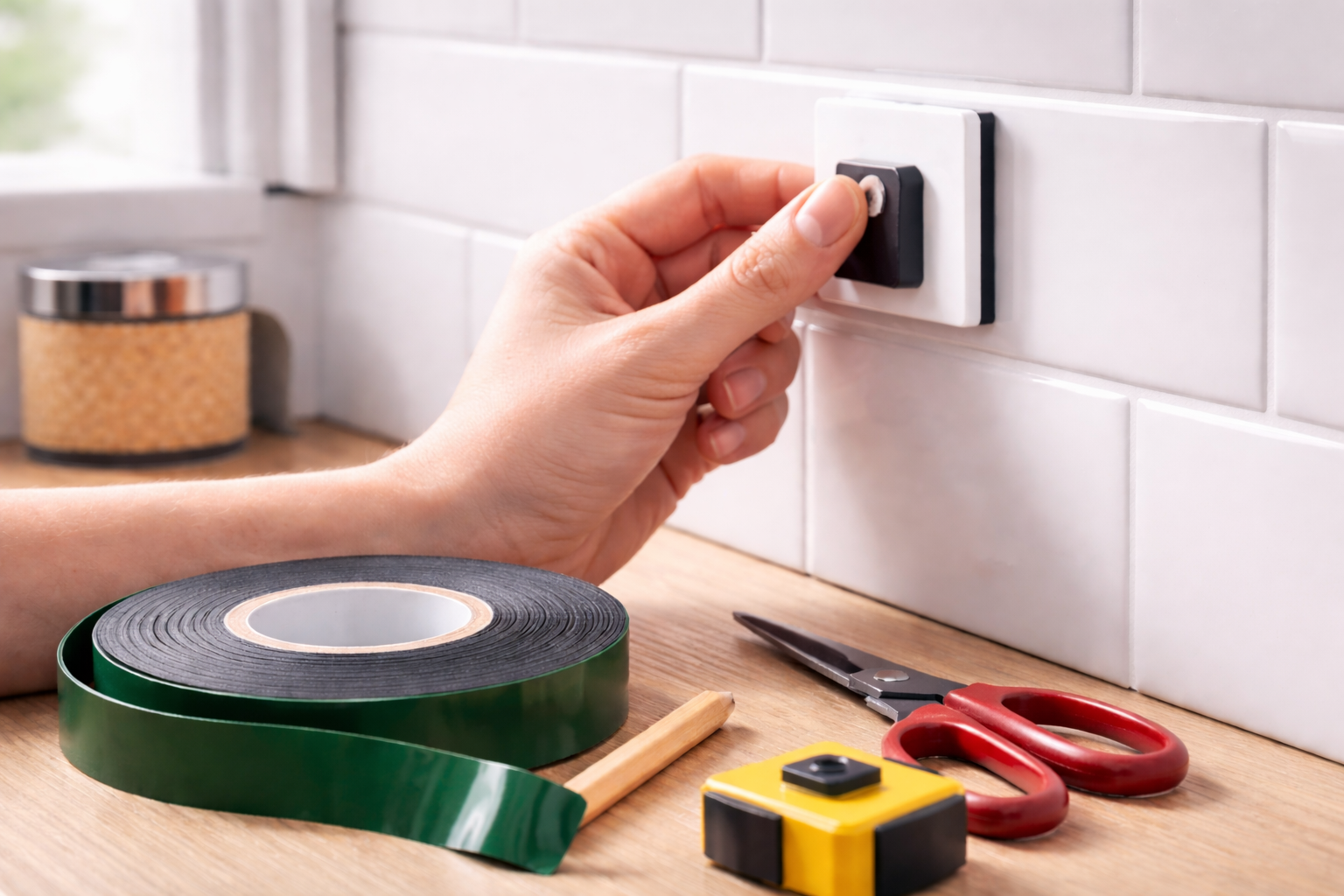
"To correctly apply double sided foam tape, you need to understand it's not just sticking two things together - it's about creating a strong bond that suits a wide range of surfaces. When chosen correctly, foam tape often outlasts the materials it's bonding."
Application Best Practices
Surface Preparation
- Clean thoroughly: Remove all dirt, oil, wax, and loose material
- Degrease if necessary: Use isopropyl alcohol for painted surfaces
- Allow to dry completely: Moisture prevents proper adhesion
- Prime low-energy surfaces: Polyethylene, Teflon, and silicone need primer
Installation Technique
- Remove one liner: Attach to first surface with firm pressure
- Position carefully: Foam tape bonds permanently—alignment is critical
- Remove second liner: Press into final position immediately
- Apply consistent pressure: Use roller or hand pressure across entire area
- Allow cure time: 24-48 hours for full bond strength development
Professional Tip: For critical applications, test a small sample first. Different surface combinations and environmental conditions can significantly affect performance.
GTSE Double-Sided Foam Tape Range
GTSE's double-sided foam tape selection provides professional-grade bonding solutions for automotive, industrial, and commercial applications. Our polyethylene foam tapes feature water-resistant acrylic adhesive systems for reliable outdoor performance.
Available Products & Specifications
| Product | SKU | Format | Applications |
|---|---|---|---|
| Black Double-Sided Foam Tape | GCTDSFTB | Roll, various sizes | Automotive, general mounting |
| Double-Sided Adhesive Pads | GTSE-SNDSAM | 4 pads (10×25mm) | Signage, point-of-sale displays |
Why Choose GTSE Double-Sided Foam Tape?
- Polyethylene foam backing - Superior conformability and gap-filling
- Water-resistant acrylic adhesive - Reliable outdoor performance
- Pressure-sensitive bonding - No heat activation required
- Multi-surface compatibility - Bonds wood, metal, plastic, and painted surfaces
- Bulk packaging options - Volume discounts for trade customers
Complete Tape Solutions: For comprehensive guidance on all tape types and applications, explore our complete Tape Buyer's Guides covering selection criteria across all adhesive tape categories.
Storage and Handling
Proper storage ensures foam tape maintains its properties:
- Cool, dry conditions: Store at 15-25°C with low humidity
- Avoid UV exposure: Keep in original packaging away from sunlight
- Flat storage: Prevent distortion of foam backing
- Use within shelf life: Typically 2-3 years from manufacture date
Ready to Choose the Right Double-Sided Foam Tape?
Browse our professional-grade foam tape range or contact our technical team for application-specific guidance.
Browse Specialist Tapes Foam Tape Rolls Adhesive PadsFrequently Asked Questions
What's the difference between foam tape and VHB tape?
Foam tape uses polyethylene foam backing with acrylic adhesive, providing gap-filling and conformability. VHB (Very High Bond) tape uses specialized acrylic foam that becomes the adhesive itself, offering higher ultimate strength but less gap-filling ability.
Can double-sided foam tape be used outdoors?
Yes, GTSE's double-sided foam tape features water-resistant acrylic adhesive specifically designed for outdoor applications. It maintains bonding strength through weather exposure and temperature cycling.
How do I remove double-sided foam tape?
Foam tape creates permanent bonds and is not designed for easy removal. Removal typically requires cutting through the foam with a knife and cleaning adhesive residue with appropriate solvents.
What surfaces work best with foam tape?
Foam tape works excellently on painted surfaces, metal, wood, glass, and many plastics. For best results, surfaces should be clean, dry, and free of loose material. Low-energy surfaces like polyethylene may require primer.
How much weight can foam tape support?
Weight capacity depends on tape area, surface preparation, mounting orientation, and environmental conditions. Proper installation with adequate contact area is crucial for load-bearing applications. Contact our technical team for specific load calculations.