





If you work in labour-intensive industries, like construction or agriculture, it's important to protect your hands from cuts, abrasions and punctures. The good news is you don't need complicated or expensive PPE – simply invest in quality protective safety gloves trusted by tradespeople across the UK.
Rigger gloves are a popular choice for general jobs like lifting, carrying and digging. Never heard of them before? Keep reading as we outline their benefits and functions.
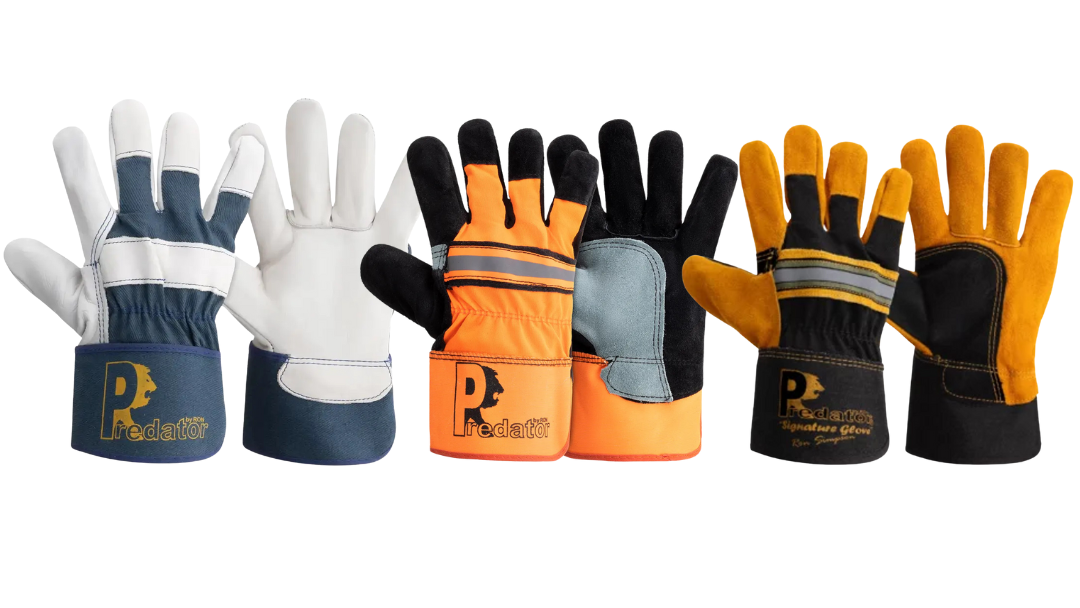
Rigger gloves: Key features
What makes rigger gloves different from ordinary gloves? Unlike standard gloves, rigger gloves are specifically designed for heavy-duty manual labour.
The palms and fingers are typically made from thick, split cowhide leather, which offers good mechanical resistance. For added flexibility, the backing is usually a more lightweight canvas or cotton. Most leather work gloves also have reinforced knuckle guards to protect against abrasions.
Inside, you might find extra linings for comfort, insulation and moisture control. However, it's important to note that rigger gloves offer little to no heat protection – if you need this, browse thermal gloves or welding gloves instead.
Key features of rigger gloves at a glance:
- Split leather material
- Reinforced palms
- Knuckle guards
- Canvas or cotton backing
- Gauntlet cuffs
- Double or triple stitching
What jobs are they best for?
There's a reason rigger gloves are often called "construction gloves" or "handling gloves" – they're widely used in labour-intensive industries like construction, where workers handle materials such as cardboard, timber, rocks and metal.
Ultimately, they're reliable multi-purpose gloves that offer good protection against minor to moderate abrasions.
Rigger gloves are suitable in the following industries:
- Construction – Operating tools, erecting scaffolding and carrying materials.
- Landscaping – Planting trees, laying turf and handling soil.
- Agriculture – Repairing sheds, carrying barbed wire and feeding livestock.
- Groundwork – Digging trenches, laying pipes and moving rubble.
- Demolitions – Removing nails, loading skips and tearing down walls.
- Highway maintenance – Laying asphalt, shovelling grit and placing cones.
- Forestry and logging – Stacking logs, stripping bark and clearing growth.
- Mining and quarrying – Operating tools, moving dirt and installing supports.
Related reading: Industry Spotlight: Cable Ties and Tape in Construction and Building Maintenance

Comfort vs ruggedness
One of the most important considerations when choosing rigger gloves is the balance between comfort and ruggedness. While gloves must offer enough padding to protect hands, you'll also need a good level of flexibility to handle fiddly tools and materials.
It's something we've thought about carefully. Our rigger glove product range combines the two with clever design features, such as rubberised cuffs, quality split leather and reinforced palms. We also stock Hi-Vis Split Leather Heavy Duty Rigger Gloves for overnight road and railway work.
Looking for something more lightweight? Try the Power Plus Split Leather Rigger Gloves. The thinner material allows for greater dexterity without compromising safety. Best of all, all our protective gloves come with tiered pricing as standard – the more you buy, the more you save.
Related reading: PPE & Disposable Gloves Buyers guides
Key EN standards
EN standards ensure your rigger gloves do exactly what they promise to do in the marketing materials. There are four main ones to consider:
- EN 388 – Measures protection against abrasions, cuts, tears and punctures.
- EN 420 – Covers basic safety requirements for all protective gloves, such as pH levels, allergen resistance and dexterity.
- EN 511 – Measures performance in cold environments.
- EN 407 – Measures thermal resistance and heat protection.
Rigger gloves usually don't have EN 511 or EN 407 certifications. Some may be EN 511-certified, but always check with the manufacturer before use.
Find the right fit for your job
Whether you’re working in construction, agriculture or any other heavy-duty industry, the right pair of rigger gloves is a site-ready essential that minimises the risk of workplace accidents.
For more information, explore our comprehensive range of protective safety gloves today or speak to an advisor.