





If you're a welder, fabricator or workshop operative, owning protective safety gloves is a must. Without them, you risk serious injuries that could jeopardise your career.
But how can you tell if your current welding gloves meet the right safety standards? In this article, we break down key features and materials to help you choose the right pair for the job.
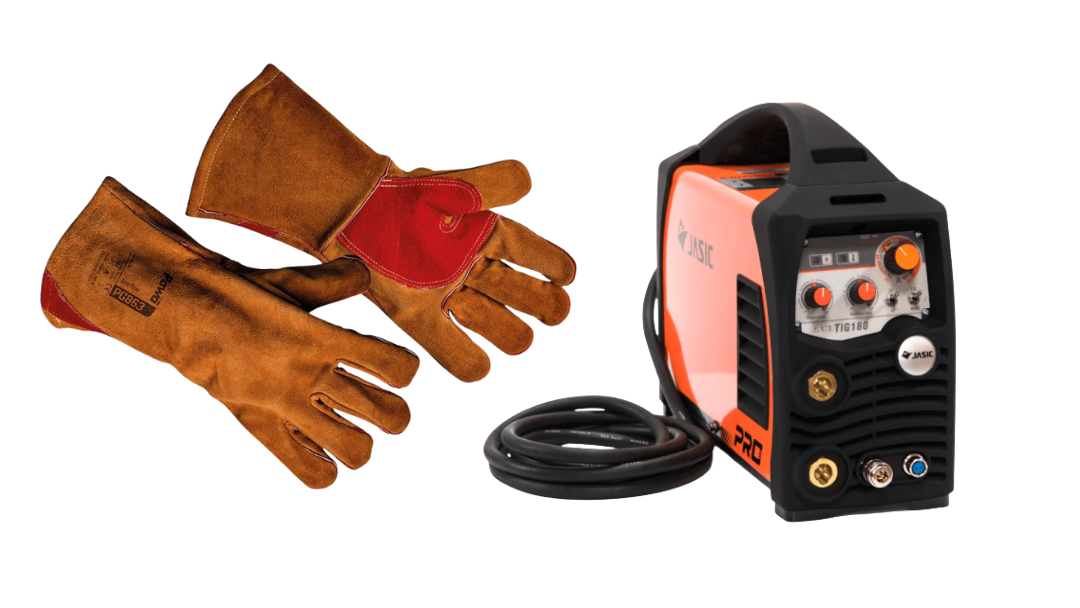
Why are welding gloves specialised?
Welding gloves aren't like regular gloves – they're purpose-built to withstand intense heat, sparks and molten metal. While accidents in high-risk environments like welding can’t be totally eliminated, the right PPE protects workers from the worst of them.
When purchasing welding gloves, look for the following features:
- Flame resistance – Prevents burns from heat and metal spatter.
- Heat protection – Choose insulating materials like foam, felt and Kevlar.
- Extended cuffs – Longer cuffs shield the wrists and lower arms from burns.
- Dexterity – Flexible materials allow for more precise movements.
- Abrasion and cut resistance – Protects against sharp materials and tools.
- EN 12477 compliance – Ensures gloves meet recognised safety standards.
Related reading: Battery & Welding Cable Buyers Guide
Types of welding gloves
Not all heat-resistant gloves are the same. Each welding process has different risks, so you must tailor your gloves to the task at hand.
MIG welding gloves
MIG stands for "Metal Inert Gas" welding – a process that joins metals using a continuously fed electrode and shielding gas. It generates intense temperatures and heavy spatter, meaning MIG welding gloves must be heavily insulated and made from thicker materials, like cowhide or pigskin.
Leather welding gloves with rubberised cuffs are an excellent choice, thanks to their superior flame-resistant properties. Despite being heavy-duty, a 100% cotton liner adds breathability and comfort in high-heat environments.
Top features for MIG welding gloves:
- Thick leather, such as cowhide or pigskin
- Extended gauntlet cuffs
- Reinforced palm and finger areas
TIG welding gloves
TIG stands for "Gas Tungsten Arc" welding – a process that joins metals using a non-consumable tungsten electrode and an inert shielding gas. It's commonly used for precision welds that demand fine finger control, so gloves must be made from flexible materials.
As TIG welding involves less heat and spatter, you can get away with thinner layers of insulation, creating a more ergonomic fit.
Top features for TIG welding gloves:
- Soft, thin leather like goatskin or deerskin
- Form-fitting design
- Minimal insulation
Stick/ARC welding gloves
Stick or ARC welding stands for "Shielded Metal Arc" welding – a process that uses a consumable electrode coated in flux to create welds. It's probably the most widely used technique because it's suitable for rougher handling and outdoor environments.
Compared to TIG or MIG welding, this method generates more spatter, slag and heat, so you'll need thick, heavy-duty gloves that can withstand abrasion.
Top features for Stick/ARC welding gloves:
- Heavy-duty split leather like cowhide
- Kevlar stitching and reinforced seams
- Thick insulation
Related reading: PPE & Disposable Gloves Buyers guides
Standards & ratings: EN 12477 explained
Perhaps the most important consideration when choosing welding gloves is whether they're EN 12477 certified – a European standard that measures mechanical protection and thermal resistance.
EN 12477 classifies welding gloves into two categories:
- Type A – Offers greater insulation but less dexterity.
- Type B – Offers greater dexterity but less insulation.
The type you need depends on the job. For example, type A gloves are ideal for steel fabrication, shipbuilding and industrial machinery maintenance. Type B gloves are suitable for intricate automotive repairs, aerospace welding and jewellery design.
Browse GTSE-approved welding gloves
Whether you need heavy-duty welding gloves for demanding outdoor work or split-leather gauntlets for precision tasks, the GTSE product range has you covered. Crafted from quality materials and tested to meet safety standards, our gloves ensure maximum protection against heat and abrasion.
For more guidance on choosing the right protective safety gloves, contact our team today.