





The Ultimate Guide to Electrical Conduit: Materials, Types & Uses
Protecting your cables correctly is just as important as the wiring itself. Whether you're a seasoned trade professional or tackling a serious home improvement project, understanding the different electrical conduit types is crucial for safety and compliance.
Electrical conduit is the unsung hero of any electrical installation. It provides mechanical protection, safeguards against environmental hazards, and ensures a neat, organized cable route. But with so many options - rigid, flexible, metal, plastic - how do you choose the right one?
In this guide, we break down everything you need to know about conduit systems, from material selection to installation best practices.
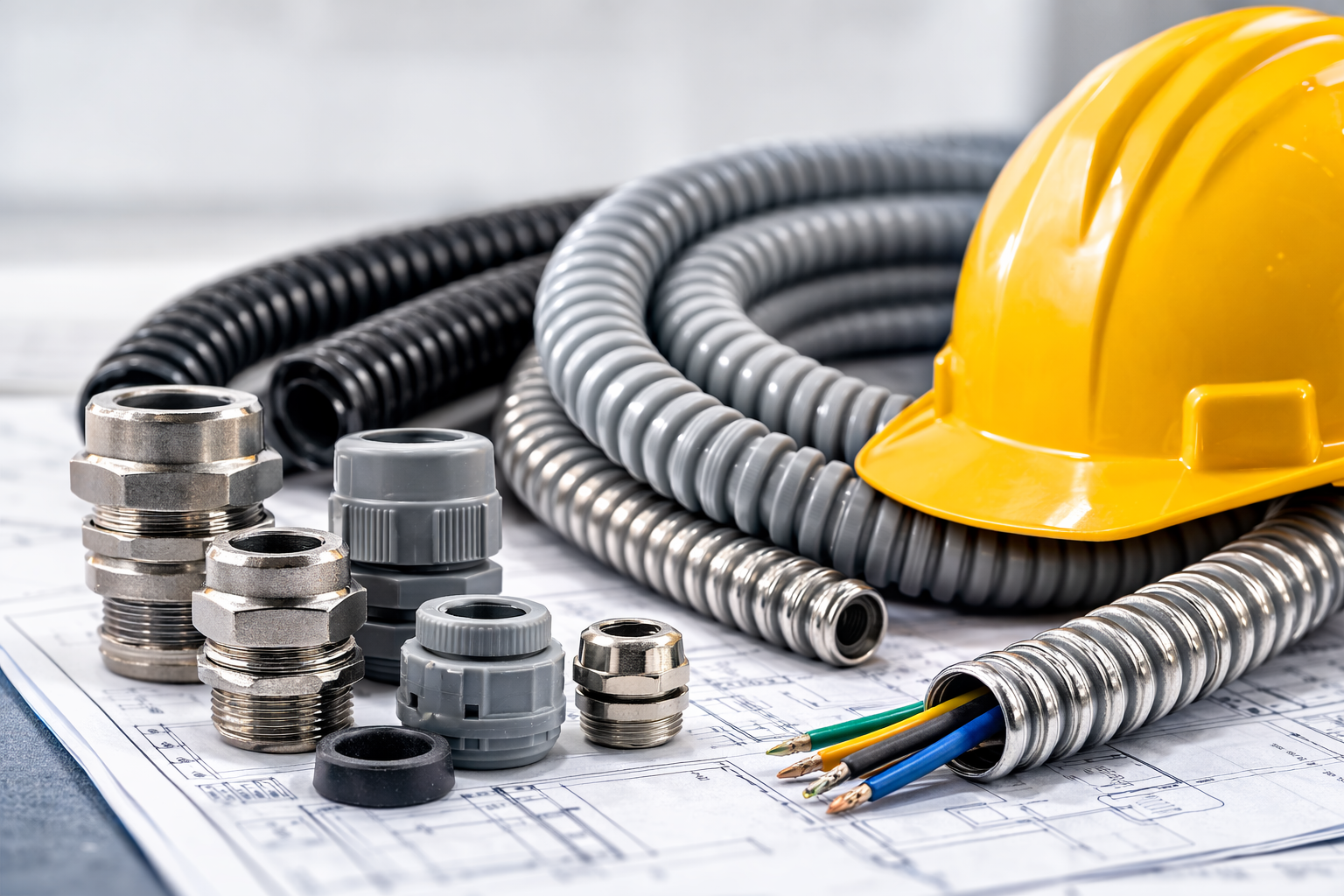
Why Use Electrical Conduit?
Conduit isn't just about aesthetics; it's a critical safety component. Its primary functions are:
- Mechanical Protection: Shielding cables from impact, crushing, or abrasion.
- Environmental Defense: Protecting against moisture, chemicals, UV light, and dust (this is where the IP rating for conduit becomes vital).
- Fire Safety: Containing sparks or faults to prevent fire spread.
- Rewiring Ease: Allowing cables to be pulled through or replaced without opening walls or digging trenches.
The Conduit Selection Wizard
Use this quick-reference table to match your environment with the ideal conduit solution.
| Environment / Application | Ideal Conduit Material | Key Feature |
|---|---|---|
| Indoor / Dry Walls (Domestic) | PVC (Light/Medium Gauge) | Cost-effective, easy to cut. |
| Outdoor / Exposed to UV | Black Enamel / Galvanised Steel | Resistant to sunlight and weathering. |
| Industrial / Workshop (High Impact Risk) | Galvanised Steel Conduit | Superior mechanical strength. |
| Machinery / Moving Parts | Flexible Metal or Composite | Vibration resistance and flexibility. |
| Underground / Burial | HDPE or Twinwall | Crush resistant and moisture-proof. |
Need a complete solution?
Check out our Contractor Packs which include conduit, glands, and locknuts in one convenient bundle.
Shop Contractor PacksElectrical Conduit Types: A Deep Dive
1. PVC Conduit
PVC is the most common choice for residential and light commercial work. It is lightweight, non-conductive, and easy to work with.
2. Galvanised Steel Conduit
The standard for heavy-duty industrial applications. Steel conduit offers the highest level of physical protection.
3. Polypropylene Conduit
When you need to navigate tight corners or connect to vibrating machinery (like motors or HVAC units), flexible polypropylene is the ideal solution.
- Types: Available in non-metallic (polypropylene/nylon) and split versions for easy retrofitting.
- Use case: Best for connections to moving parts or awkward routing paths where rigid pipe won't fit.
Expert Insight
Don't forget the fittings! The integrity of your conduit system relies on using the correct glands, couplers, and saddles. Mixing brands or types can compromise the IP rating.
Looking at our sales data, the GTSE customer base usually purchases the conduit installation tool with the flexible conduit range to aid the ease of installation. The tool assists in the process of cable insertion making the process a lot more streamlined and can speed up the task dramatically, making larger project completion time quicker.
How to Install Electrical Conduit: Best Practices
Conclusion
Choosing the right electrical conduit types for your project ensures longevity, safety, and compliance. GTSE stocks a comprehensive range to get the job done right.
Ready to start your installation?
Equip yourself with professional-grade tools for cutting, bending, and threading conduit.
View Full Conduit Range