




Automotive bulbs power several key vehicle functions, including headlights, indicators and brake lights. When faulty, the consequences can be serious – ranging from police fines and failed MOTs to an increased risk of serious collisions.
Want to learn more about car bulbs? You're in the right place. Keep reading as we cover the basics.
Common types of automotive bulbs
With so many automotive bulbs on the market, it can be difficult to know which one is best. The first step is understanding the difference between the most common types.
Headlight bulbs
Headlight bulbs vary depending on whether your vehicle uses a single-beam or dual-beam set-up. Options include:
- H1 – Single filament bulb used for either high or low beam (not both)
- H4 – Dual filament bulb that can function as high and low beam
- H7 – Single filament bulb commonly used for dipped beams in newer cars
Indicator and stop/tail bulbs
Indicator and stop/tail bulbs are bayonet-style bulbs that serve different, but equally important, purposes. Indicator bulbs flash amber when a driver changes direction. Stop/tail bulbs illuminate red when a vehicle is stationary, moving slowly or braking.
382 (P21W) single-contact bulbs are commonly used for indicators and reversing lights. 380 (P21/5W) twin-contact bulbs are more suitable for stop lights/taillights, thanks to their dual brightness functionality.
Interior bulbs
Interior bulbs are small, low-watt bulbs found in vehicle cabins. Choose between:
- Festoon bulbs – Often used in boots and glove boxes
- Wedge bulbs – Often used in footwells and dashboards
Number plate bulbs
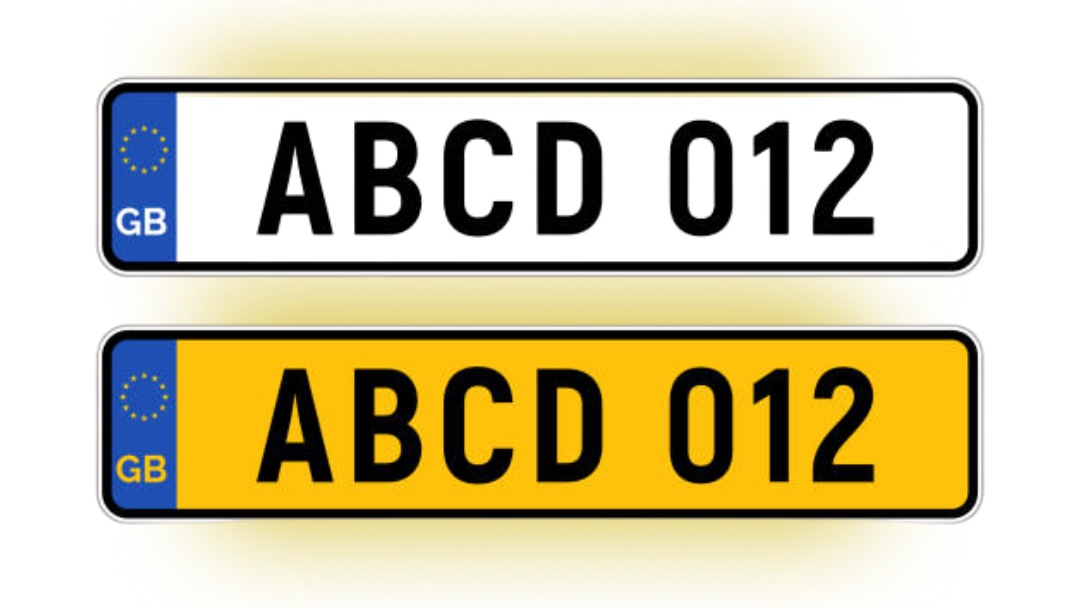
Number plate illumination is an MOT requirement, so it's important to keep bulbs in working order. Number plate lights use compact bulbs, typically:
- Capless wedge bulbs – Small, capless push-in bulbs
- Festoon bulbs – Also used in number plates, depending on the model
Related reading: Automotive Range Buyer's Guide
How to identify the right bulb
Replacing a blown bulb isn't as simple as picking up the first option you see on the shelf. Instead, you need to carefully consider things like bulb codes and cap types.
Using vehicle handbooks
When installing or replacing a car bulb, always check the vehicle handbook first. Inside, you'll find a list of bulb types needed for each function, including headlights, taillights and indicators, fitting codes and sometimes wattage.
Matching the bulb code
Most automotive bulbs are given a standardised code, which makes it easier to determine the correct size, output and fitting. These include:
- H7 – Common single-filament headlight bulb
- H4 – Dual-filament headlight bulb
- 501 (W5W) – Small capless bulb
Understanding cap types
Each car bulb has a unique cap type, or connector, that fits into the bulb holder. Even if the bulb looks like the correct shape, the cap type may not be compatible with the power source.
- Bayonet (P21W, P21/5W) – Used in stop/tail and indicator lights
- Wedge (T10, W5W) – Used in interior lights, number plates and sidelights
- Festoon – Also used in interior lights and number plates
Road legality
Some automotive bulbs are marked as "off-road use only", meaning they're not legal on UK roads (usually because they produce excessive glare). To stay MOT compliant, look for "E-marked" or "road-legal bulbs".
Related reading: Types of Automotive Cables and Applications
When to replace bulbs
So, when should you replace automotive bulbs? The answer is simple – as soon as they start to dim, fail or cause MOT failures. Most drivers will spot the problem early, which gives them plenty of time to visit a garage or fit the replacement themselves.
Browse the GTSE automotive bulb range
To recap, choosing the right bulb requires a little forethought and a quick glance at the vehicle's instruction manual. Once you've identified the correct model, code and cap, you can find quality products in the GTSE range.
If you have any questions about choosing the right bulb for your job, speak to one of our advisors today.