





-

Residents Parking Only - Safety Sign
Incl. VAT £26.81Excl. VAT £22.34 -

Maximum Headroom Class R2 Permanent 750mm Triangle (3mm Aluminium Composite) C/W Channelling - Safety Sign
Incl. VAT £204.14Excl. VAT £170.12 -

Limited To 56mph - Safety Sign
Incl. VAT £4.08 - £6.25Excl. VAT £3.40 - £5.21 -
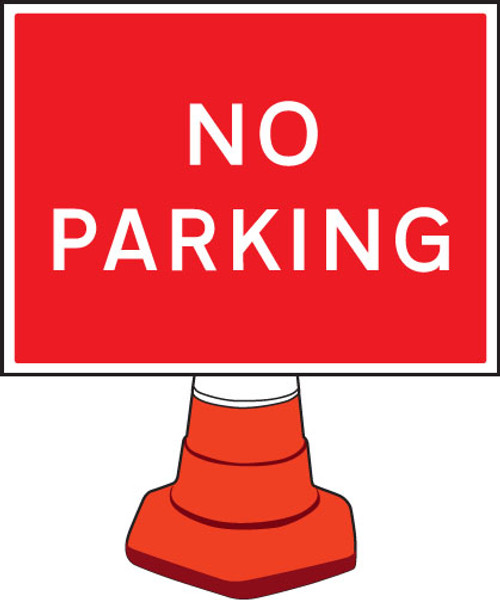
No Parking Cone Sign 600X450mm - Safety Sign
Incl. VAT £84.67Excl. VAT £70.56 -
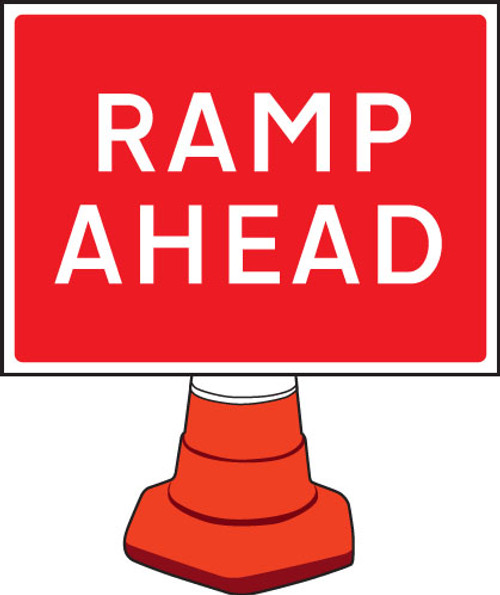
Ramp Ahead Cone Sign 600X450mm - Safety Sign
Incl. VAT £84.67Excl. VAT £70.56 -

Private Car Park - Safety Sign
Incl. VAT £26.81 - £37.74Excl. VAT £22.34 - £31.45 -

Radioactive Ii Diamond - Safety Sign
Incl. VAT £4.08 - £14.89Excl. VAT £3.40 - £12.41 -

Create Your Own Reflective Cone Sign 600X450mm - Safety Sign
Incl. VAT £112.87Excl. VAT £94.06 -

Limited To 50mph - Safety Sign
Incl. VAT £4.08 - £6.25Excl. VAT £3.40 - £5.21 -

Parking Symbol - Safety Sign
Incl. VAT £35.80Excl. VAT £29.83 -

Warning Driver May Not See You In This Area - 1000X50mm
Incl. VAT £20.40Excl. VAT £17.00 -

Blind Spot Take Care - Safety Sign
Incl. VAT £5.46Excl. VAT £4.55
FAQ – Safety & Regulatory Signs
What regulations do safety and regulatory signs need to comply with?
In the UK, workplace safety signs must comply with The Health and Safety (Safety Signs and Signals) Regulations 1996 and BS EN ISO 7010 standards. These regulations require clear, standardised signage wherever significant risks cannot be fully controlled by other safety measures.
Signs must follow recognised colour coding, symbols and design formats to ensure they are easily understood and legally compliant across construction sites, warehouses, offices and public environments.
What do the different colours on safety signs mean?
Safety signage uses internationally recognised colour coding to communicate meaning quickly and clearly:
- Red (Prohibition): Indicates actions that are not permitted, such as No Smoking.
- Yellow (Warning): Alerts to potential hazards, such as electrical risks.
- Blue (Mandatory): Shows actions that must be followed, such as wearing PPE.
- Green (Safe Condition): Identifies emergency exits, first aid points and safe routes.
When are safety signs required in the workplace?
Safety signs are required when risks to health and safety cannot be eliminated or sufficiently reduced through other control measures. Employers must clearly mark hazards, emergency exits, fire equipment and mandatory safety instructions to help maintain a safe working environment.
Failure to provide appropriate signage may result in enforcement action, legal penalties and increased liability in the event of an incident.
How should safety and regulatory signs be positioned and maintained?
Safety signs should be positioned in prominent locations, typically at eye level, at entrance points or directly adjacent to hazards. They must remain clearly visible, well maintained and, where necessary, illuminated to ensure effectiveness.
Employers should also ensure that employees understand the meaning of safety signage, particularly where symbols may not be immediately familiar. Clear and consistent signage helps prevent confusion and supports overall workplace safety compliance.