





-
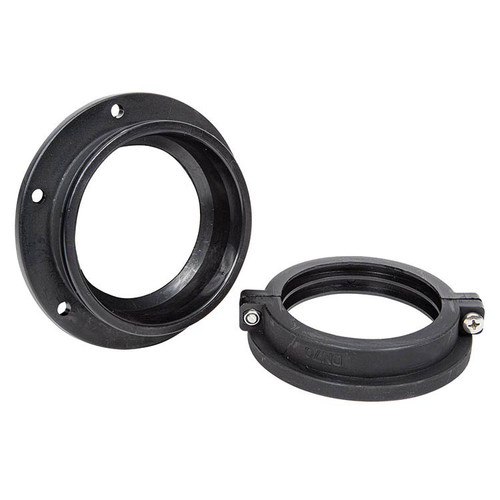
Jumbo Conduit Straight Flange Fitting
Incl. VAT £45.58 - £63.01Excl. VAT £37.98 - £52.51 -

Standard Adaptors Metric to Metric (Pack of 1)
Incl. VAT £9.35 - £76.84Excl. VAT £7.79 - £64.03 -

Conduit Draw Wires (Width: 3mm)
Incl. VAT £15.34 - £26.84Excl. VAT £12.78 - £22.37 -

Nylon Lock Nuts (Pack of 100)
Incl. VAT £31.61 - £213.44Excl. VAT £26.34 - £177.87 -

Brass/Nickel Lock Nuts for Conduit Glands
Incl. VAT £62.04 - £574.37Excl. VAT £51.70 - £478.64 -

U-Clips - Polypropylene Conduits (Pack of 100)
Incl. VAT £58.27 - £212.90Excl. VAT £48.56 - £177.42 -

Polypropylene Snap Glands
Incl. VAT £1.36 - £5.56Excl. VAT £1.13 - £4.63 -

Swivel Steel Conduit Glands
Incl. VAT £4.58 - £51.32Excl. VAT £3.82 - £42.77 -

Fixed Steel Conduit Glands
Incl. VAT £4.22 - £118.42Excl. VAT £3.52 - £98.68 -

Conduit Gland with Locknut (Pack of 10)
Incl. VAT £11.35 - £13.42Excl. VAT £9.46 - £11.18 -

Split Conduit Opening Tool and Cable Feeder
Incl. VAT £4.27 - £5.33Excl. VAT £3.56 - £4.44
FAQ | Electrical Conduit
What is electrical conduit used for?
Electrical conduit protects and routes electrical cables, keeping them safe from damage, moisture, and corrosion. It ensures a neat, compliant, and long-lasting wiring installation.
What are the different types of electrical conduit?
The main types include PVC conduit (lightweight and corrosion-resistant), galvanised steel conduit (durable and impact-resistant), and flexible conduit (ideal for tight or irregular spaces).
How do I connect conduit sections together?
Use compatible conduit fittings, couplers, and elbows designed for the conduit material. This ensures a secure, watertight connection and maintains cable protection.
What regulations apply to electrical conduit in the UK?
Electrical conduit installations must comply with BS 7671 (IET Wiring Regulations) to ensure safe, compliant electrical systems.